Nestled in the Kangra Valley, Palampur is a picturesque town in Himachal Pradesh that offers a perfect blend of natural beauty, cultural heritage, and adventure. My recent trip to Palampur was a refreshing escape from the hustle and bustle of city life, filled with enchanting experiences ranging from tranquil tea gardens to the thrill of paragliding. Here’s a detailed account of my journey.
Day 1: Arrival and Stay at Araiya Palampur Resort
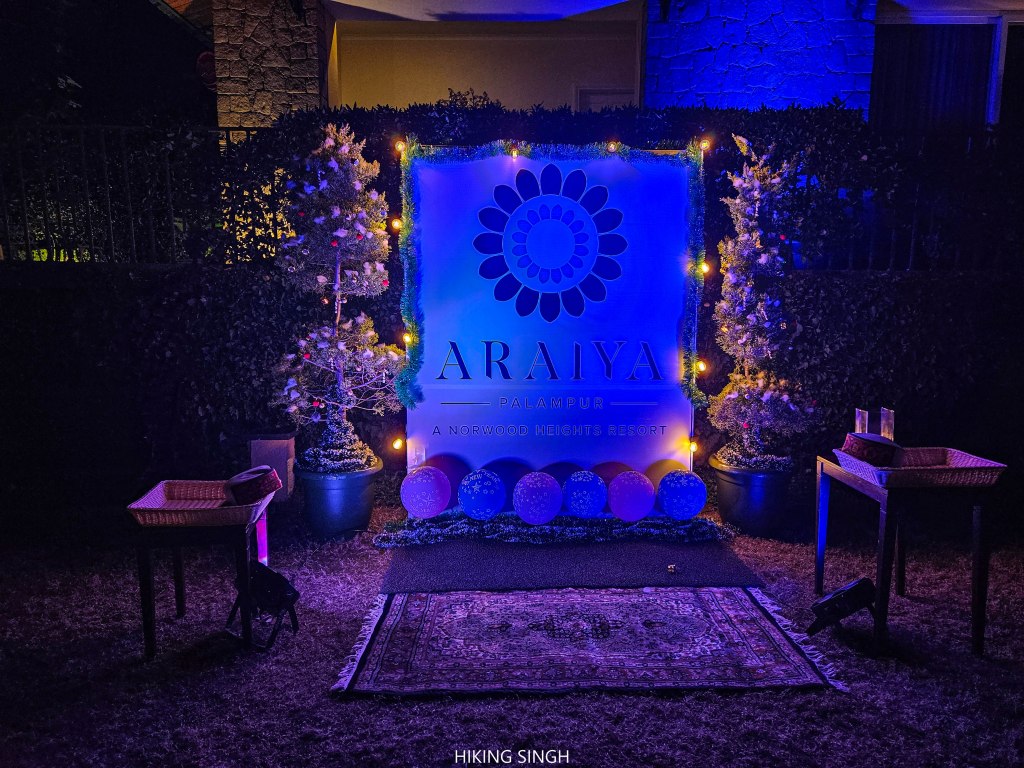
Our base for this serene escape was the luxurious Araiya Palampur Resort, an oasis of comfort and elegance set against the backdrop of the Dhauladhar mountain range. Araiya Palampur, a luxury hotel and resort in Himachal Pradesh, a gem in this tranquil town, beckons those with an adventurous spirit and a taste for the authentic. Picture yourself amid beautiful mountains, pine forests, gorgeous valleys, sprawling tea estates. Picture perfect, isn’t it? And that’s Palampur for you.
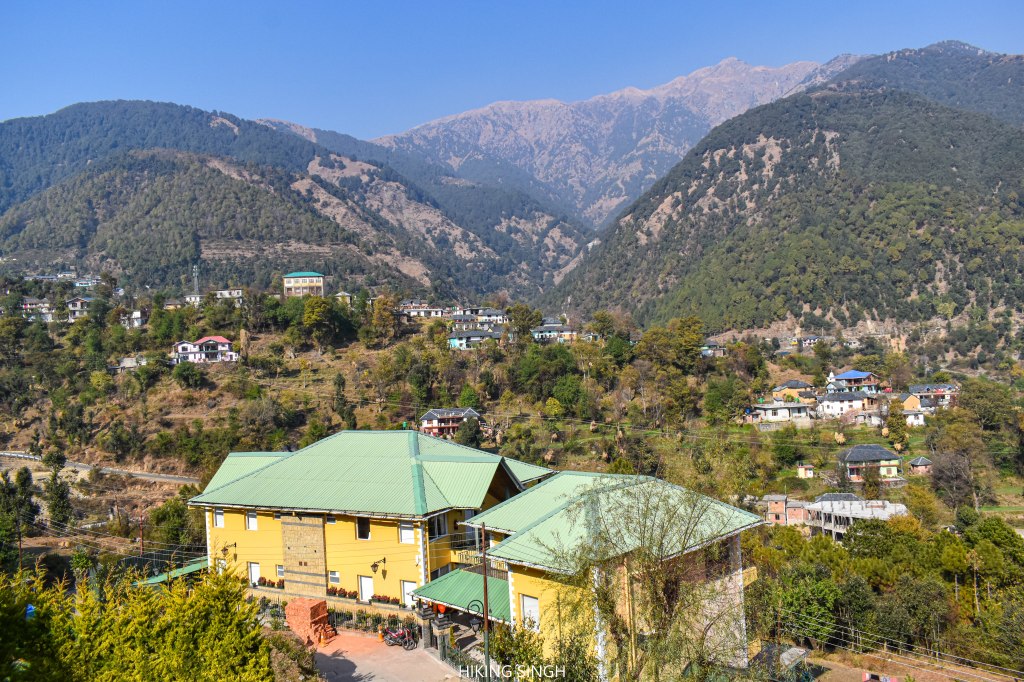
The resort’s architecture seamlessly blends modern amenities with the charm of the Himalayan landscape, providing a perfect retreat after a day of exploration. The crisp mountain air, coupled with the warmth of local hospitality, creates an inviting atmosphere for reflection and rejuvenation. The staff was warm and hospitable, ensuring that every need was met with a smile.
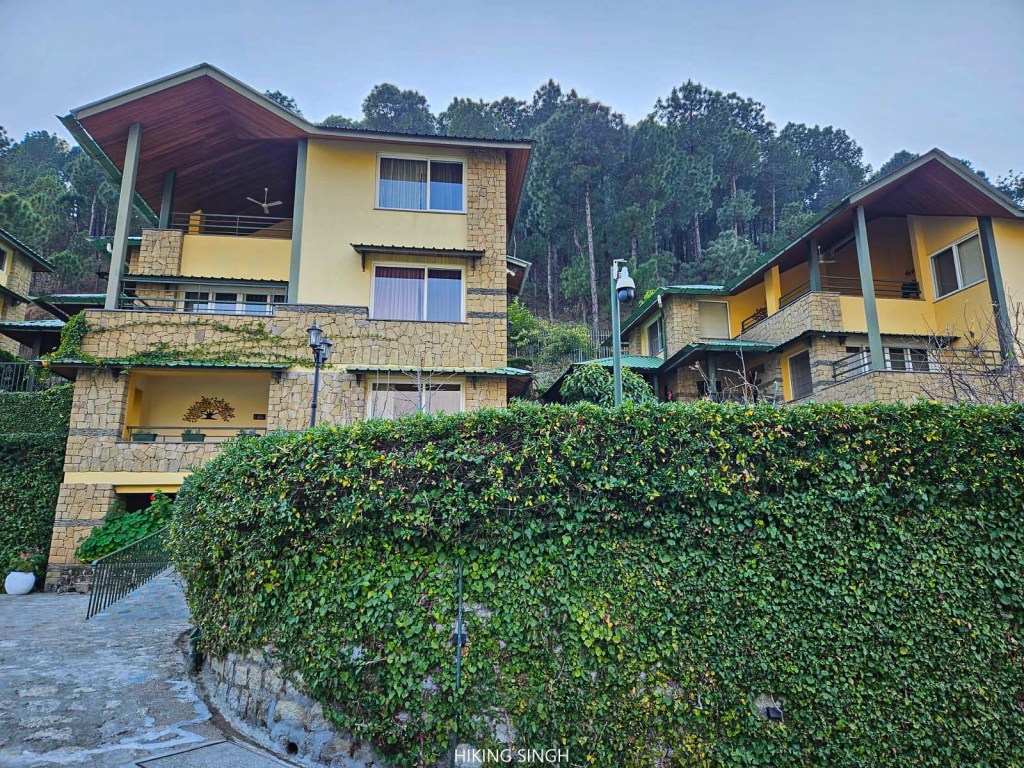
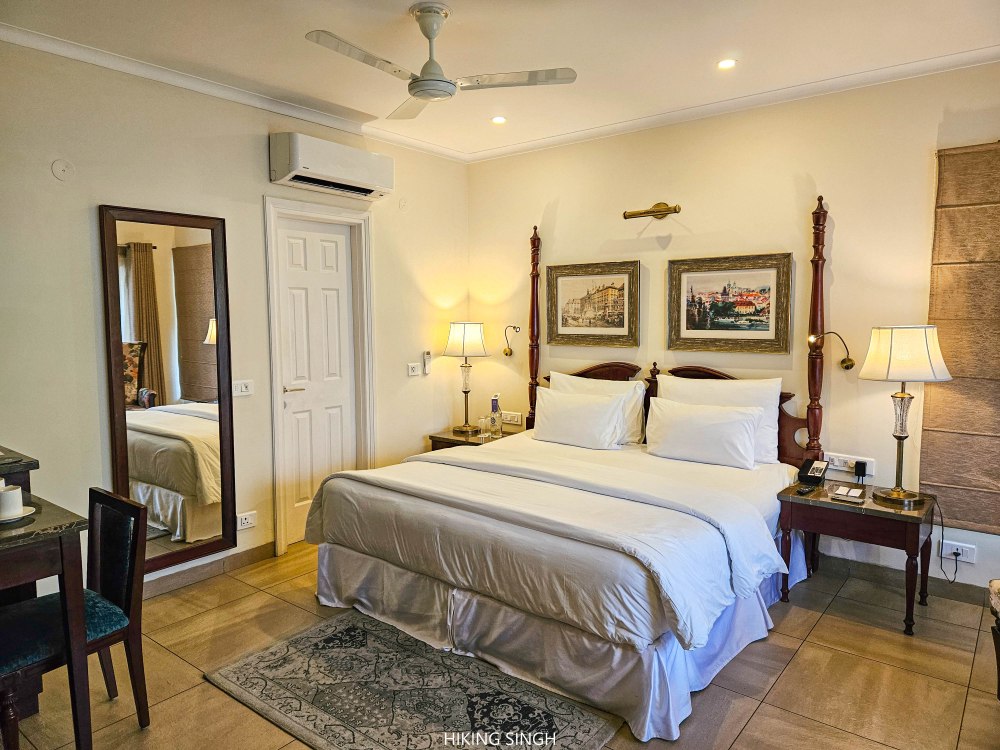
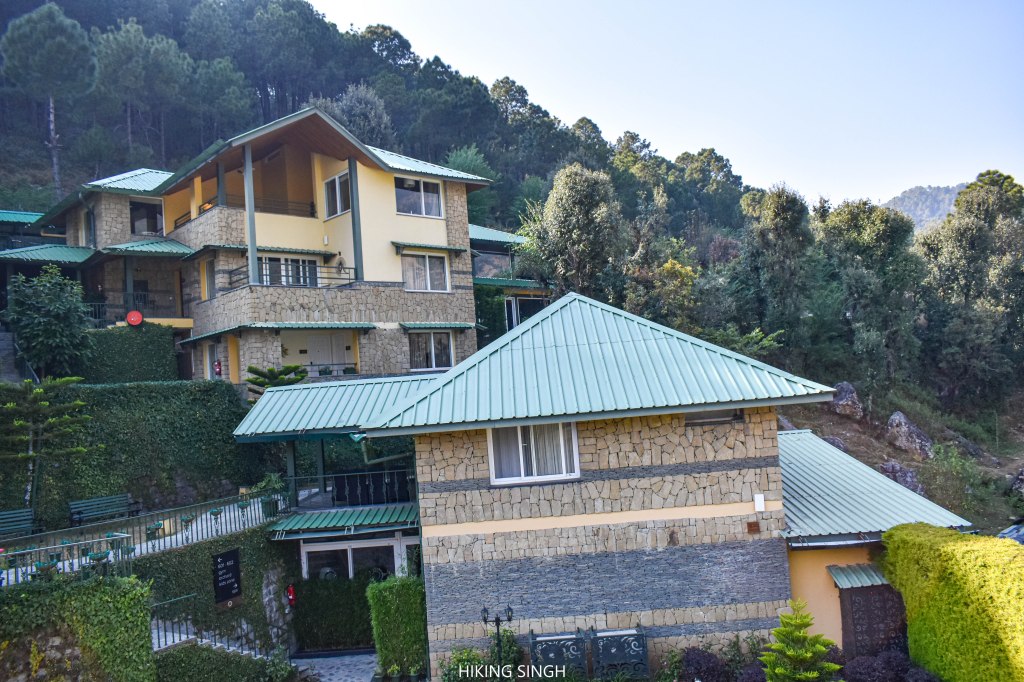
The architecture of Ariaya Palampur is a harmonious blend of traditional Himachali design and contemporary elegance. The property’s exterior, with its wooden accents and stone walls, reflects the local heritage, while the interiors exude a modern, minimalist charm. The lobby, with its high ceilings, large windows, and tasteful decor gave me a sense of spaciousness and calm. The rooms were spacious and well-appointed, with large windows offering panoramic views of the surrounding mountains.
One of the highlights of the room was the private balcony, where I spent many moments simply soaking in the natural beauty around me. The sound of the wind rustling through the trees, the distant chirping of birds, and the sight of the sun setting behind the mountains created an atmosphere of pure tranquility.
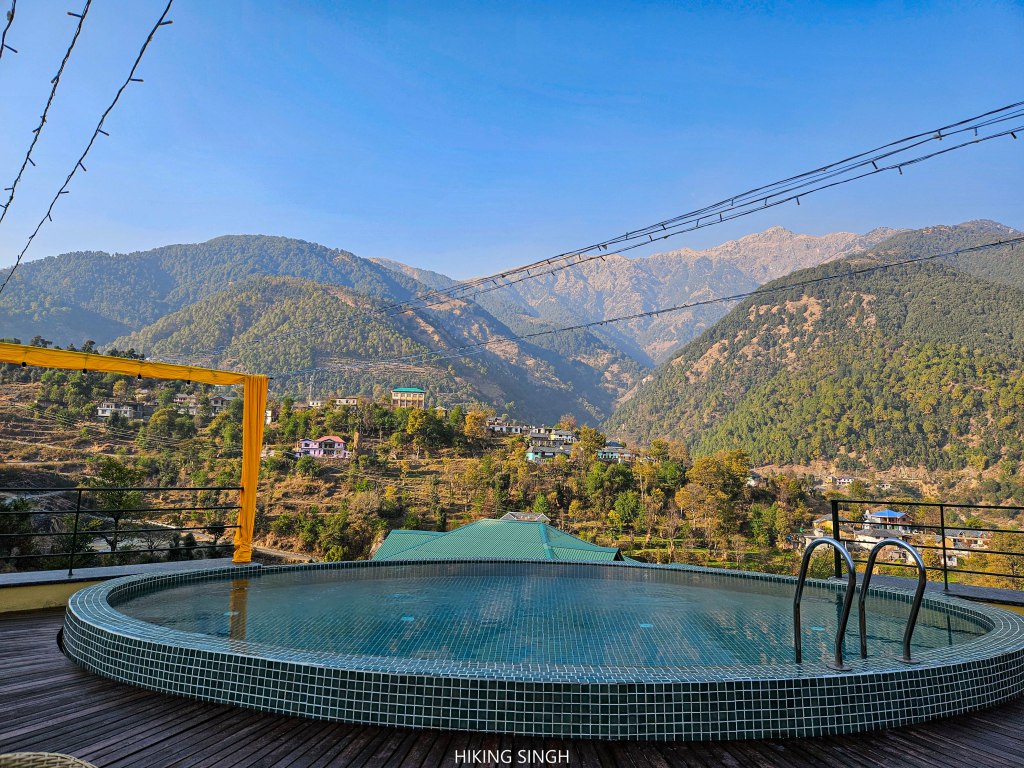
Ariaya Palampur boasts an exceptional dining experience that showcases the best of local and international cuisine. The on-site restaurant, with its chic yet cozy ambiance, offers a diverse menu that caters to a variety of tastes. The use of fresh, locally sourced ingredients was evident in every dish, adding a unique flavor that reflected the rich culinary heritage of the region. It’s a place to rejuvenate the mind, body, and soul. The property features a world-class spa that offers a range of treatments, from traditional Ayurvedic massages to modern wellness therapies. The spa, with its serene setting and expert therapists, was the perfect place to unwind after a day of exploring the valley.
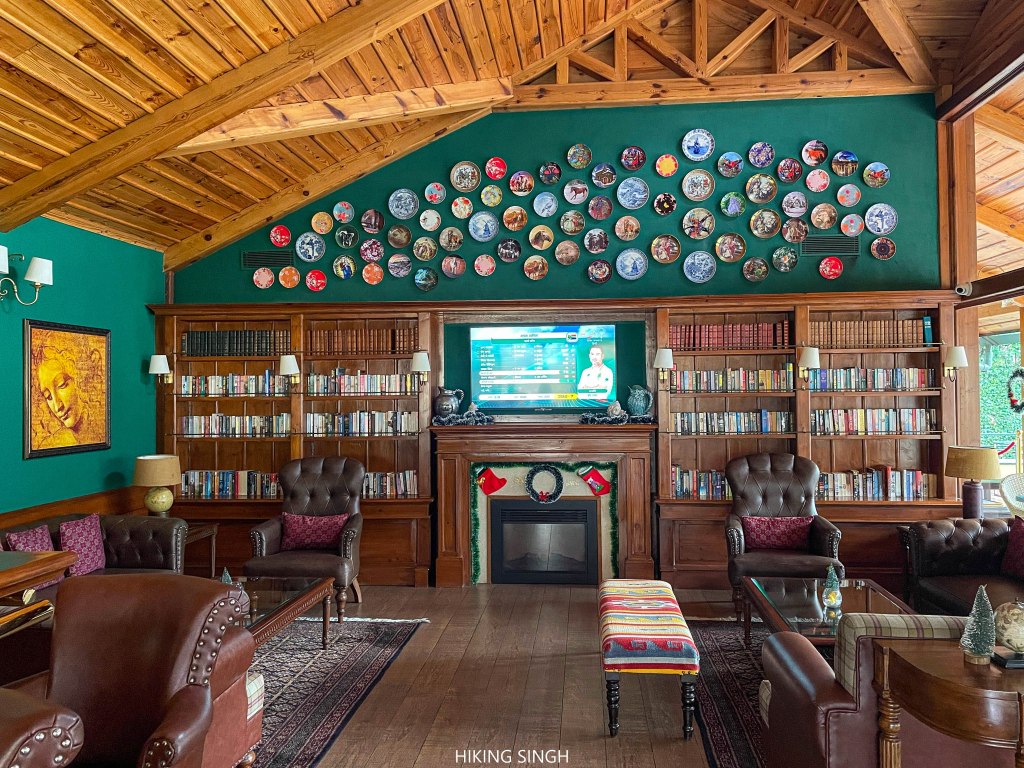
The resort is committed to sustainability and community engagement, making it a responsible choice for eco-conscious travelers. The property incorporates eco-friendly practices such as rainwater harvesting, solar energy use, and waste management. The use of locally sourced materials in construction and decor further reduces the property’s carbon footprint.
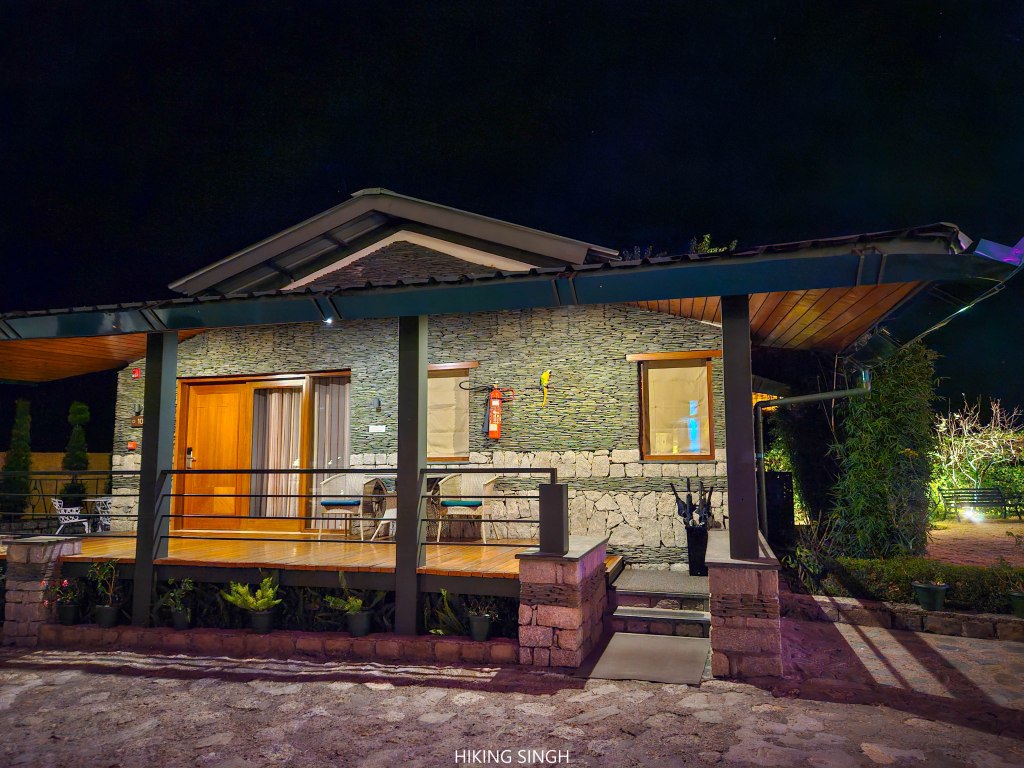
Whether you’re seeking a romantic getaway, a family vacation, or a solo retreat, Ariaya Palampur offers something for everyone. It’s a place where time seems to slow down, allowing you to savor every moment and leave feeling refreshed and inspired. If you’re planning a visit to Palampur or the Kangra Valley, I highly recommend making Ariaya Palampur your home away from home.
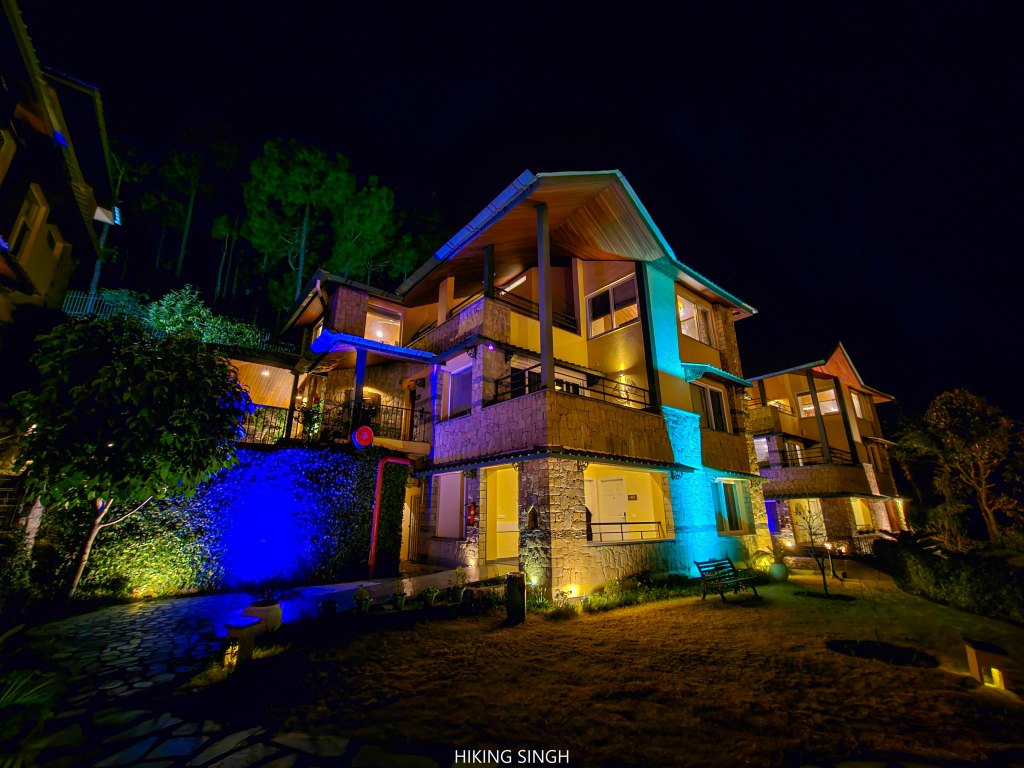
Once here, there are options galore for you to make a memorable holiday out of your Palampur tour. Go trekking, visit the Palampur tea garden, the temples and monasteries around, dive deep into the local lifestyle, there is never a dull moment here. It becomes even easier when you choose to stay at the best Palampur hotels where you are sure to be assisted with ideas to make your holiday exciting.
Day 2: Exploring Palampur
Palampur is a destination that beautifully balances nature, culture, and adventure. Whether you’re seeking spiritual solace, a cultural immersion, or an adrenaline rush, this charming town has something for everyone.
Wah Tea Estate – A Tranquil Retreat
The Wah Tea Estate in Palampur is a hidden gem that offers a serene escape from the hustle and bustle of everyday life. Exploring this picturesque tea estate was a delightful experience, combining the beauty of the Himalayan landscape with the rich history and tradition of tea cultivation.
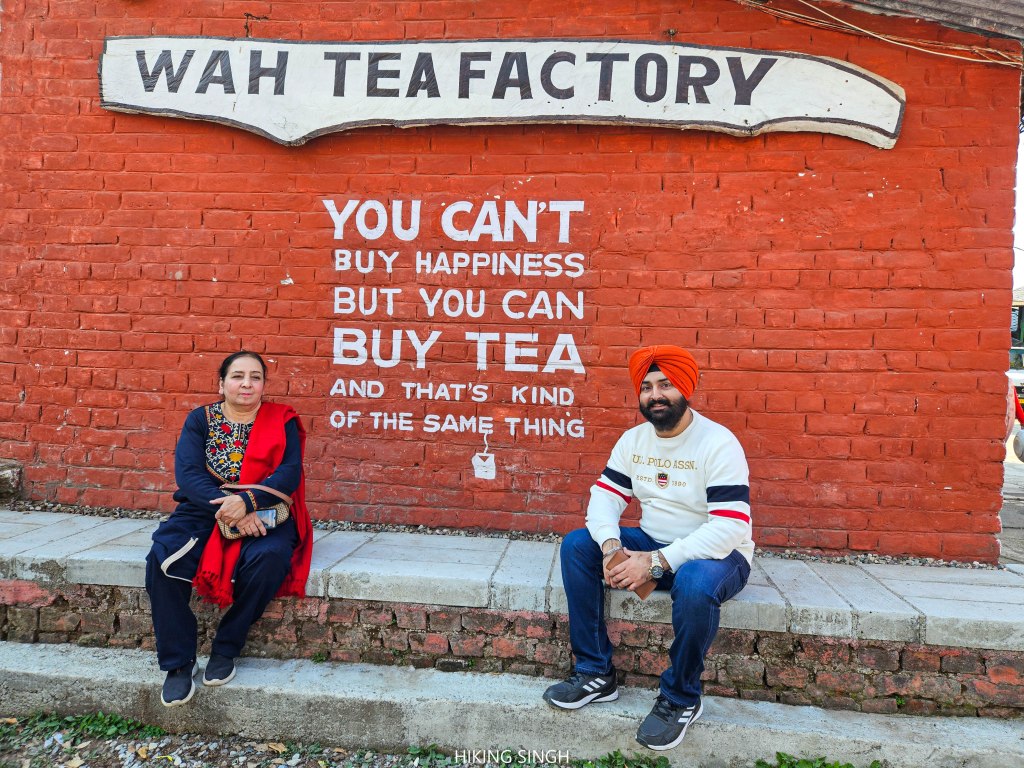
Wah Tea Estate itself is an oasis of tranquility. Spread across several acres, it is one of the oldest and most prestigious tea plantations in the region. Established in the mid-19th century during British rule, the estate has since become synonymous with high-quality Kangra tea, known for its unique flavor and aroma.
Exploring the Tea Gardens
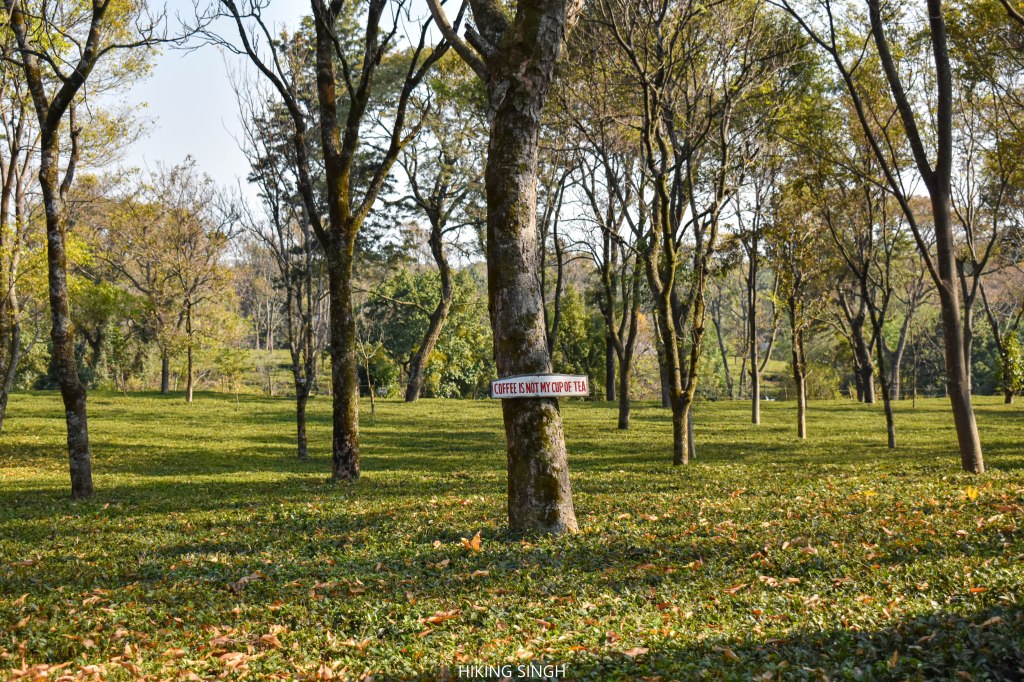
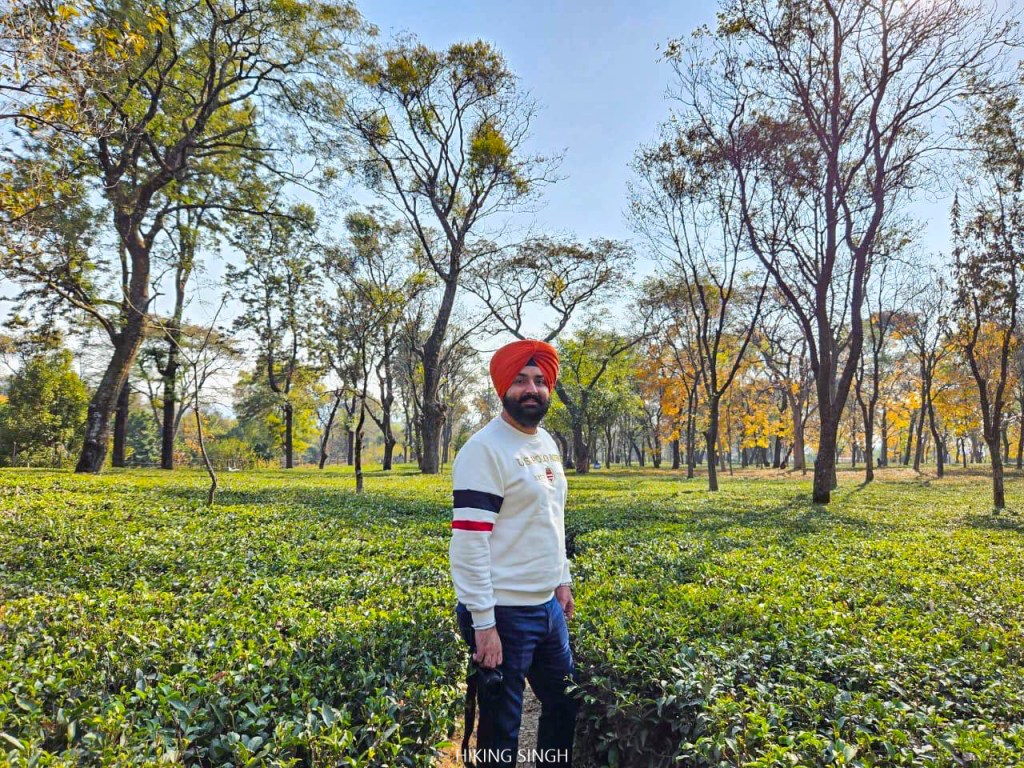
The first thing that struck me upon arriving at Wah Tea Estate was the sheer beauty of the place. The rolling hills covered in a sea of green tea bushes, interspersed with tall trees, created a landscape that was both calming and invigorating. As I walked through the tea gardens, the gentle rustling of the leaves and the distant chirping of birds added to the peaceful ambiance.
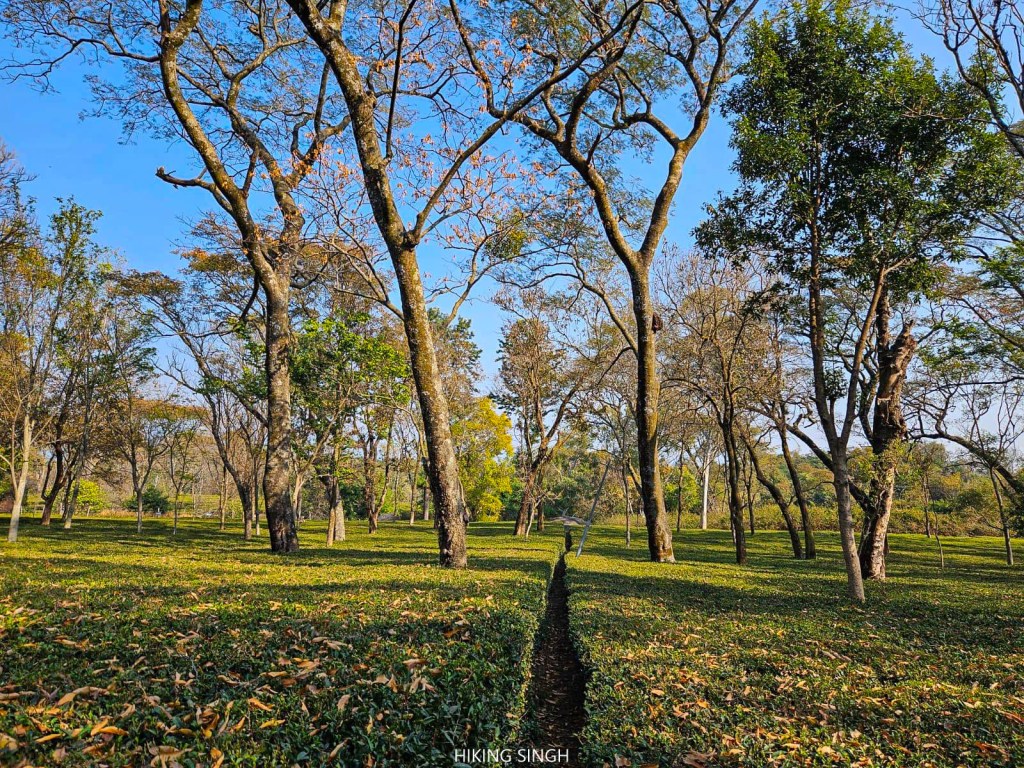
The estate offers guided tours, and I was fortunate enough to have an informative and enthusiastic guide who shared fascinating insights into the history of the estate and the process of tea cultivation. I learned about the different varieties of tea grown at Wah, including the famous Kangra green and black teas. The guide explained how the unique climate of the region, with its cool temperatures and abundant rainfall, contributes to the distinctive taste of Kangra tea.
The Tea Factory Tour
After exploring the gardens, I was taken to the tea factory, where the magic of tea-making truly happens. The factory tour was an eye-opener, offering a behind-the-scenes look at the intricate process of turning fresh tea leaves into the fine tea that ends up in our cups.
From withering and rolling to fermenting and drying, each step in the tea-making process was meticulously explained. The factory was filled with the rich aroma of tea, and it was fascinating to see the traditional methods still in use alongside modern machinery. I gained a new appreciation for the craftsmanship and effort involved in producing high-quality tea. It was a humbling experience to see the dedication and skill that goes into producing each cup of tea.
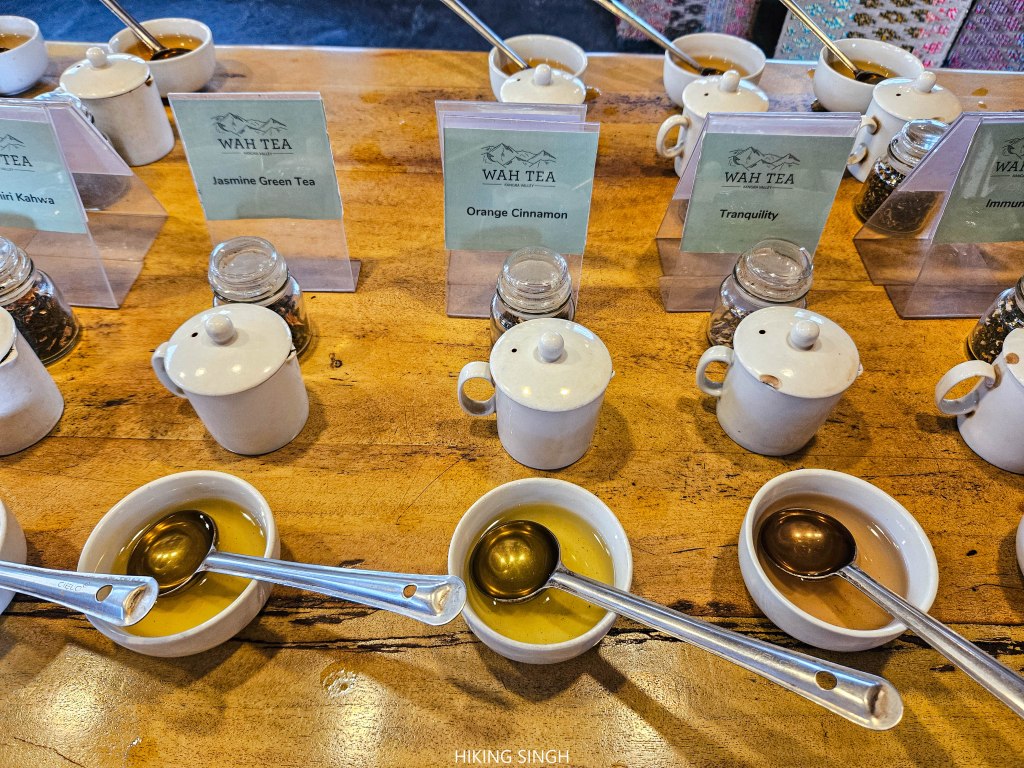
The highlight of the factory tour was the tea-tasting session. I had the opportunity to sample a variety of teas produced at the estate, each with its own unique flavor profile. The subtle differences in taste, aroma, and color were a revelation, and it was easy to see why Kangra tea is so highly regarded. The experience was not just about tasting tea but also learning how to appreciate its nuances.
A Moment of Reflection
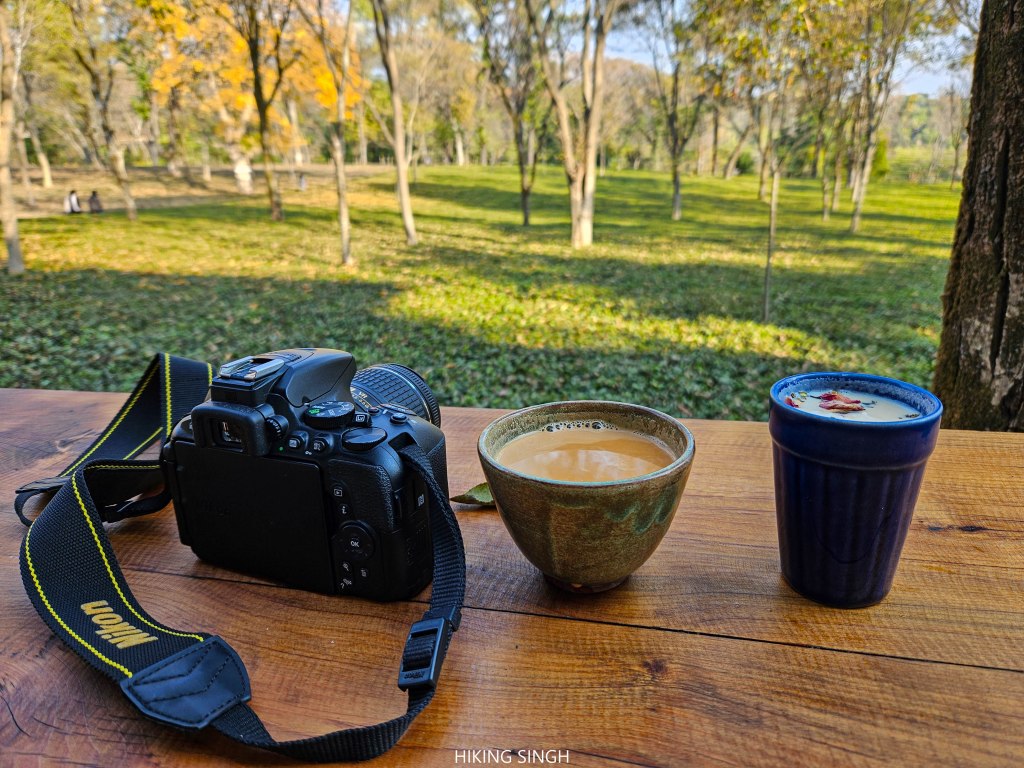
After the tour, I took some time to relax and soak in the beauty of the estate. The Wah Tea Estate has a charming tea room where visitors can enjoy freshly brewed tea while taking in the panoramic views of the gardens and the mountains beyond. Sitting there with a cup of fragrant Kangra tea in hand, I felt a deep sense of peace and contentment. The simplicity and elegance of the surroundings, combined with the warmth of the tea, made it a moment to savor.
Discovering the Artistic Legacy of Andretta Village, Palampur
Tucked away in the serene Kangra Valley lies Andretta, a quaint village that pulses with a rich artistic legacy. My recent visit to this hidden gem was nothing short of enchanting, offering a blend of natural beauty and cultural heritage that left a lasting impression.
A Journey Back in Time
Andretta is not just a village; it’s a testament to the artistic spirit that flourished here over decades. The village was established as an artists’ colony in the 1920s by Norah Richards, an Irish playwright who fell in love with the beauty of the Kangra Valley. Her vision transformed Andretta into a haven for artists, writers, and actors seeking inspiration from the tranquility of the Himalayas.
As I walked through the village, it felt like stepping back in time. The old mud houses, with their traditional architecture, and the lush greenery around them created an ambiance of rustic charm. The simplicity of life here is evident in every corner, and it’s easy to see why so many creative minds were drawn to this place.
The Norah Richards House
One of the highlights of my visit was exploring Norah Richards’ house, a beautifully preserved mud structure that still stands as a symbol of her legacy. The house, now a museum, offers a glimpse into the life of this remarkable woman. Inside, I found photographs, letters, and manuscripts that told the story of her journey from Ireland to India and her deep connection with the people and culture of Himachal Pradesh.
The house itself is a work of art, with its traditional Kangra-style construction. The simplicity and functionality of the design reflect the ideals that Norah Richards believed in—living in harmony with nature and finding beauty in simplicity.
Andretta Pottery and Craft Society
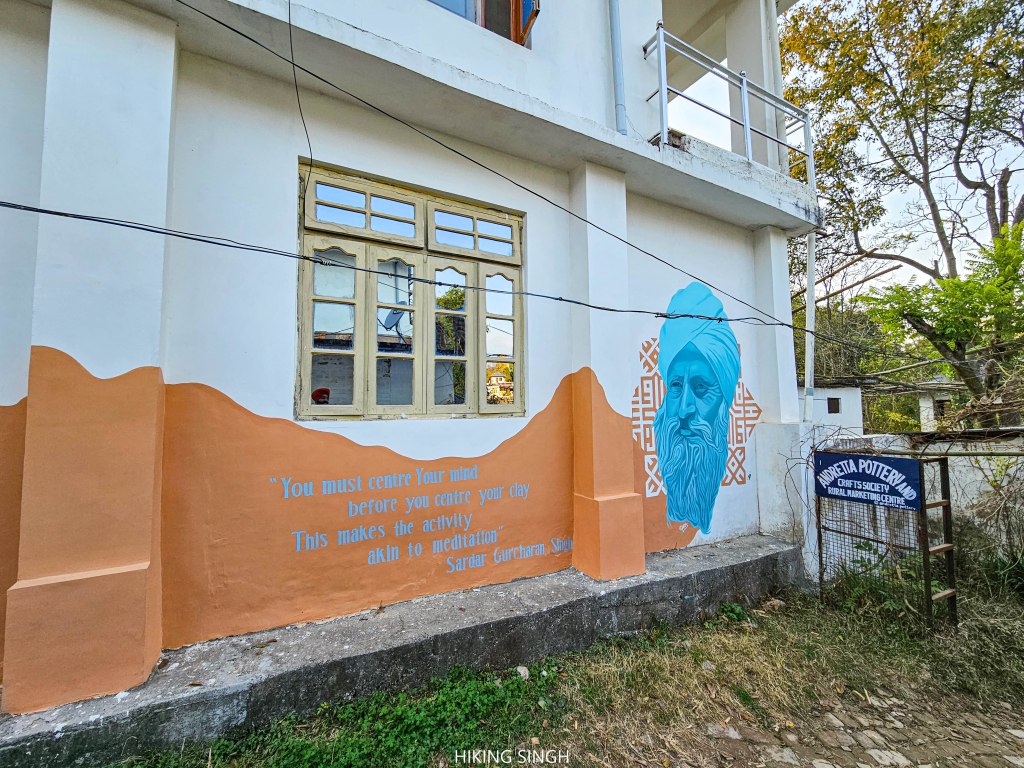
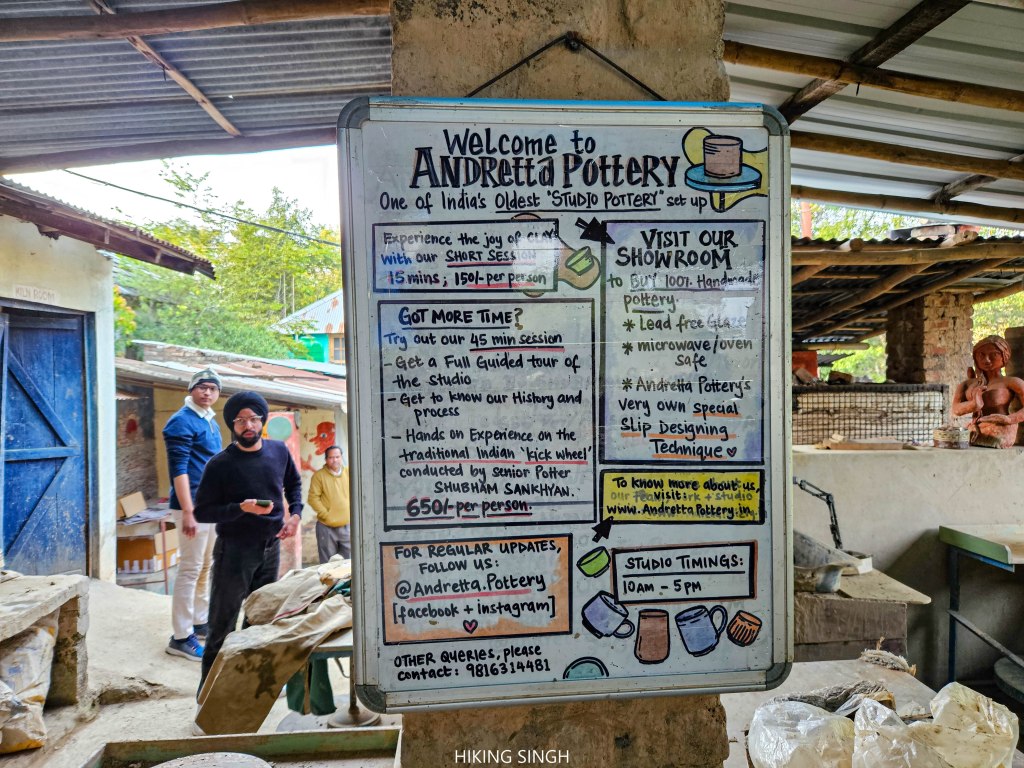
No visit to Andretta would be complete without a stop at the Andretta Pottery and Craft Society. Founded by Sardar Gurcharan Singh in the mid-20th century, this pottery studio has become synonymous with the village’s artistic identity. As I entered the workshop, the earthy scent of clay filled the air, and I watched artisans deftly shaping pots on their wheels.
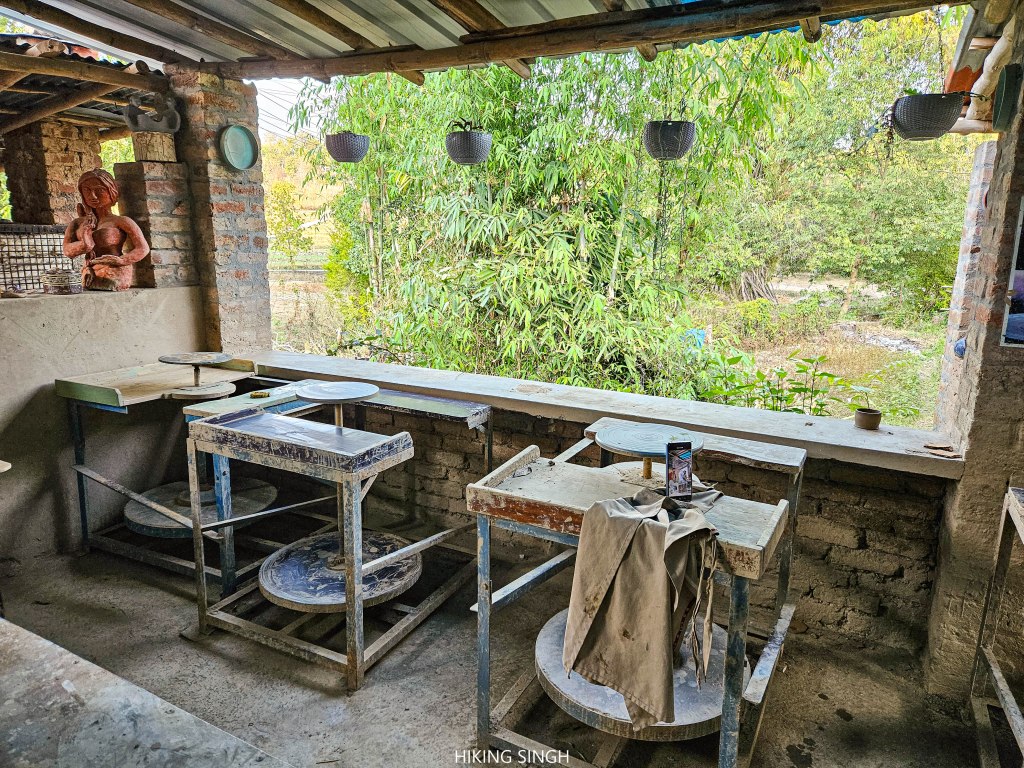
The pottery here is known for its unique blend of traditional techniques and modern designs. Each piece is crafted with meticulous attention to detail, reflecting the dedication and skill of the artisans. I even had the chance to try my hand at the potter’s wheel, a humbling experience that made me appreciate the craftsmanship even more.
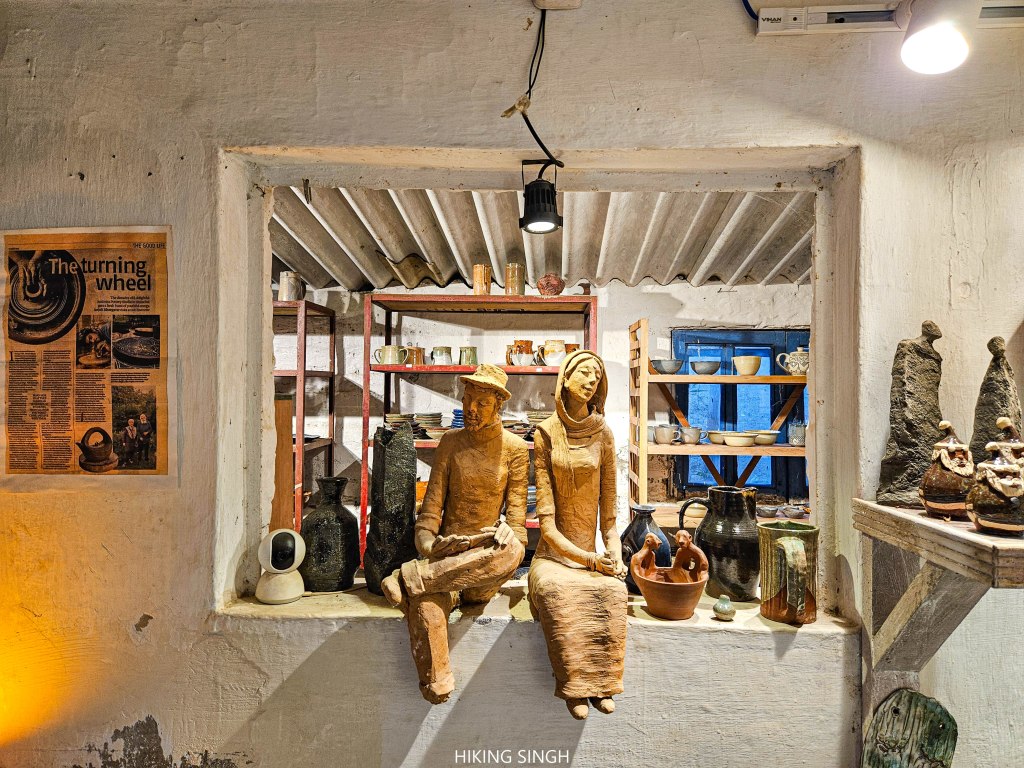
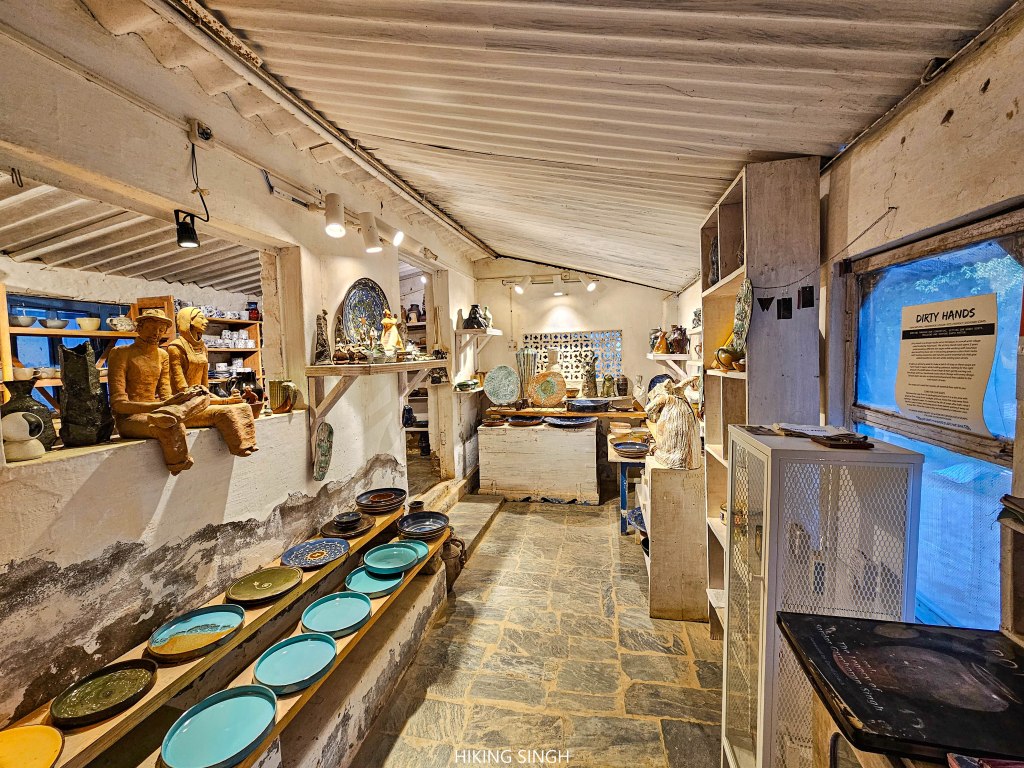
The pottery on display ranged from simple, functional pieces to intricate, decorative items. I couldn’t resist picking up a few souvenirs—a beautifully glazed bowl and a set of coasters that will forever remind me of my time in Andretta.
The Spirit of Community
What struck me most about Andretta was the strong sense of community. The villagers are warm and welcoming, proud of their heritage and eager to share it with visitors. Whether it was a conversation with an elderly potter or a chat with a young artist, everyone I met had a story to tell—stories of tradition, creativity, and the enduring spirit of Andretta.
A short drive from Palampur brought us to Andretta, a quaint artist’s village that has been a hub for creative souls for decades. The village is steeped in history and culture, and it was fascinating to explore the artistic legacy that has been preserved here.
Exploring the Legacy of Sobha Singh: A Visit to the Art Gallery
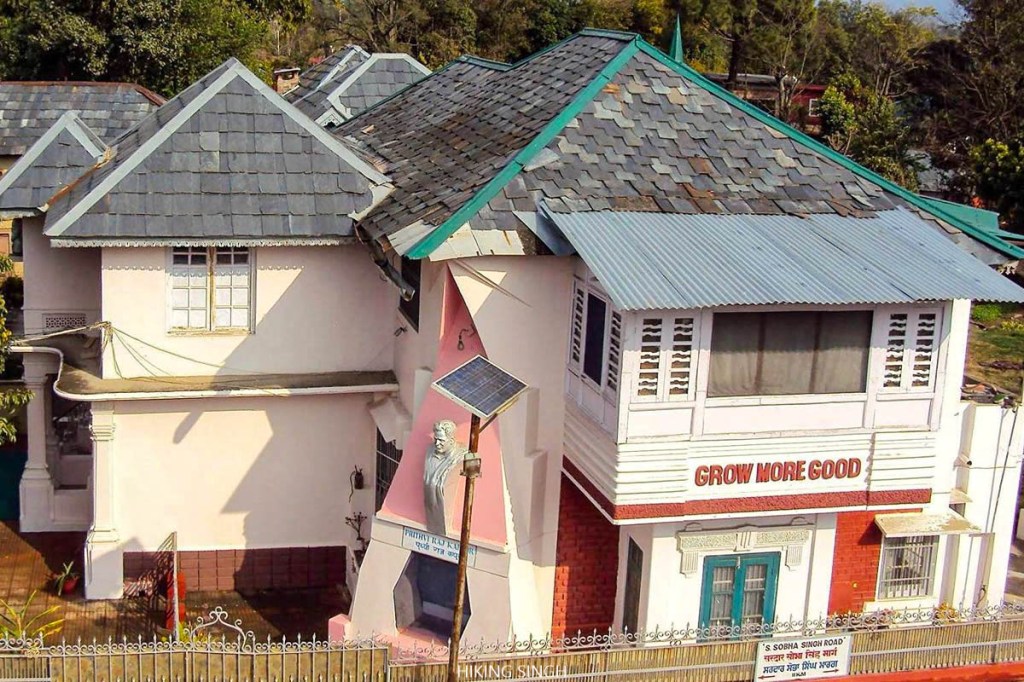
Nestled in the tranquil hills of Himachal Pradesh, the Sobha Singh Art Gallery in Palampur stands as a tribute to one of India’s most celebrated artists. Known for his iconic paintings that capture the spirit and culture of Punjab, Sobha Singh’s work continues to inspire and resonate with art lovers from all over the world. My visit to this gallery was a profound experience, offering a deep dive into the life and legacy of this legendary artist.
The Journey to the Gallery
Located in the quaint village of Andretta, about 13 kilometers from Palampur, the Sobha Singh Art Gallery is set against the stunning backdrop of the Dhauladhar mountain range. The journey to the gallery itself is a visual treat, with lush green tea gardens, pine forests, and winding roads offering breathtaking views at every turn.
As I approached the gallery, I was struck by the serene atmosphere that enveloped the place. The tranquility of the surroundings seemed to echo the gentle, reflective nature of Sobha Singh’s art.
Stepping into Sobha Singh’s World
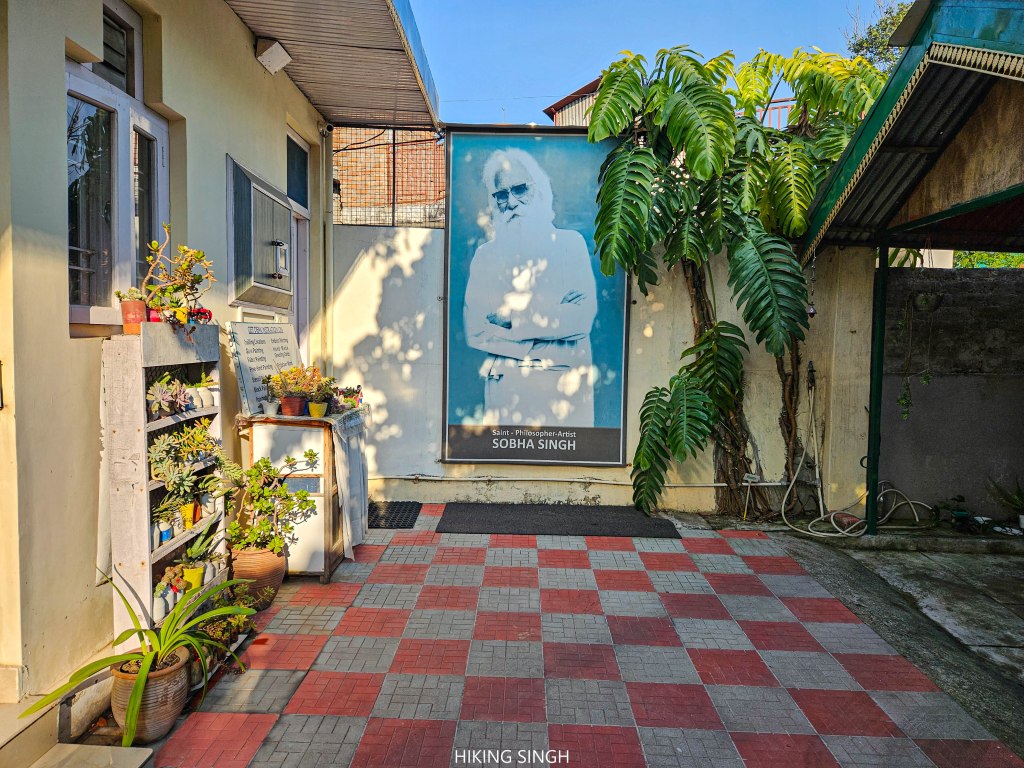
Upon entering the gallery, I was immediately drawn into Sobha Singh’s world. The space is modest yet filled with an aura of creativity and devotion to art. The gallery houses an impressive collection of the artist’s works, ranging from his most famous portraits to lesser-known but equally captivating pieces.
One of the first paintings that caught my eye was Sobha Singh’s iconic portrayal of Guru Nanak Dev Ji, the founder of Sikhism. The painting exudes a sense of spiritual calm and wisdom, capturing the essence of the revered saint. This piece, like many others in the gallery, reflects Sobha Singh’s deep connection to his Punjabi heritage and his ability to convey profound emotions through his art.
A Journey Through History and Culture
As I explored the gallery, I was struck by the diversity of themes in Sobha Singh’s work. His paintings of Sikh Gurus and historical figures like Maharaja Ranjit Singh are powerful representations of Sikh history and culture. The attention to detail, the use of color, and the expressions on the faces of his subjects all contribute to the lifelike quality of his portraits.
Another section of the gallery is dedicated to his paintings of women, which are equally captivating. Sobha Singh had a unique ability to portray the grace, beauty, and strength of women in his art. His depictions of Punjabi women in traditional attire, with their expressive eyes and serene faces, are both timeless and evocative.
The Studio: A Glimpse into the Artist’s Life
Beyond the gallery, the visit included a tour of Sobha Singh’s original studio, which has been preserved as it was during his lifetime. Stepping into the studio felt like stepping into a sacred space, where creativity and passion for art were ever-present. The room was filled with the tools of his trade—brushes, easels, and paints—alongside unfinished sketches and portraits.
It was fascinating to see the place where Sobha Singh spent countless hours bringing his visions to life. The simplicity of the studio, combined with the meticulous order in which everything was kept, offered insights into the disciplined and dedicated life of the artist.
Learning from the Master
The gallery also offers an educational experience, with informative panels and displays that give context to Sobha Singh’s work and life. I learned about his journey from Punjab to Himachal Pradesh, his struggles during the Partition of India, and his eventual settlement in Andretta, where he found solace and inspiration in the natural beauty of the region.
The gallery staff, well-versed in Sobha Singh’s life, were eager to share anecdotes and stories, adding a personal touch to the visit. It was clear that the legacy of Sobha Singh is not just in his art but also in the lives he touched with his kindness and generosity. For anyone visiting Palampur or the surrounding areas, the Sobha Singh Art Gallery is a must-see. It’s a place where art transcends time, where the past meets the present, and where the legacy of a great artist continues to inspire new generations.
Day 3: A Spiritual Sojourn: Tashi Jong Monastery, Palampur
Nestled in the serene foothills of the Dhauladhar range, Tashi Jong Monastery is a hidden gem that offers a profound sense of peace and spiritual solace. The visit to this Tibetan Buddhist monastery near Palampur was a journey into the heart of Tibetan culture, spirituality, and the simple beauty of monastic life.
The Journey to Tashi Jong
Located about 15 kilometers from Palampur, the drive to Tashi Jong Monastery is a picturesque one. The road winds through lush green valleys, small villages, and fields dotted with blooming wildflowers, setting a tranquil tone even before you reach the monastery. As I approached Tashi Jong, the first thing that struck me was the sheer beauty of the surroundings – the rolling hills, the crisp mountain air, and the distant snow-capped peaks of the Dhauladhar range. The monastery itself is perched on a hillside, surrounded by a landscape that exudes peace and quietude. Unlike some of the more tourist-heavy monasteries, Tashi Jong retains an authentic, untouched charm that invites introspection and contemplation.
First Impressions: A Place of Serenity
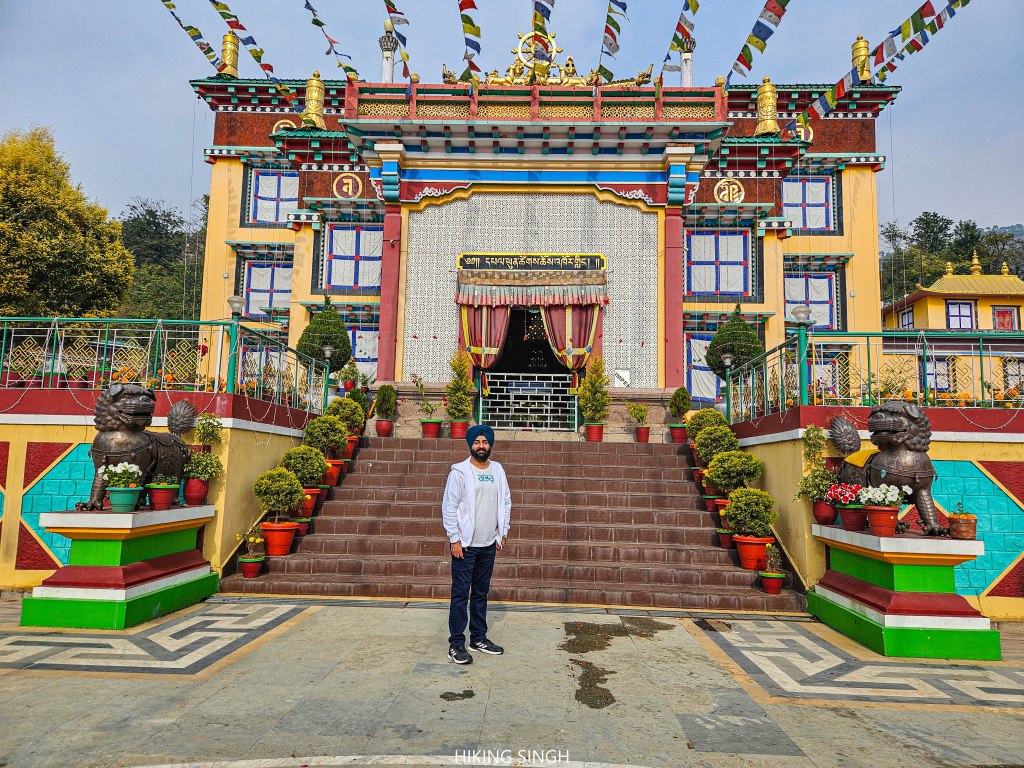
As I entered the monastery grounds, I was immediately enveloped in a sense of calm. The sound of prayer flags fluttering in the breeze, the scent of incense wafting through the air, and the sight of monks in their deep maroon robes going about their daily routines created an atmosphere of deep spiritual resonance.
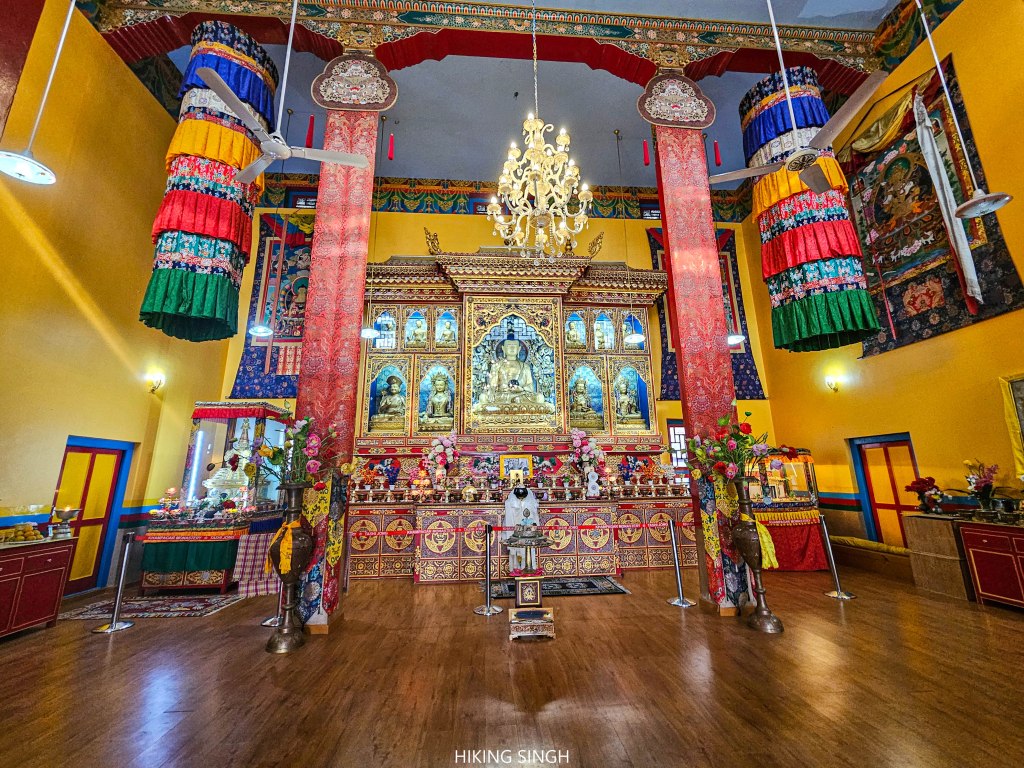
The monastery complex is a blend of traditional Tibetan architecture and the natural beauty of its Himalayan setting. The main temple, with its vibrant red and gold facade, stands as a testament to the rich cultural heritage of Tibetan Buddhism. The intricate woodwork, detailed murals, and the serene statues of Buddha inside the temple speak of devotion and artistry that have been passed down through generations.
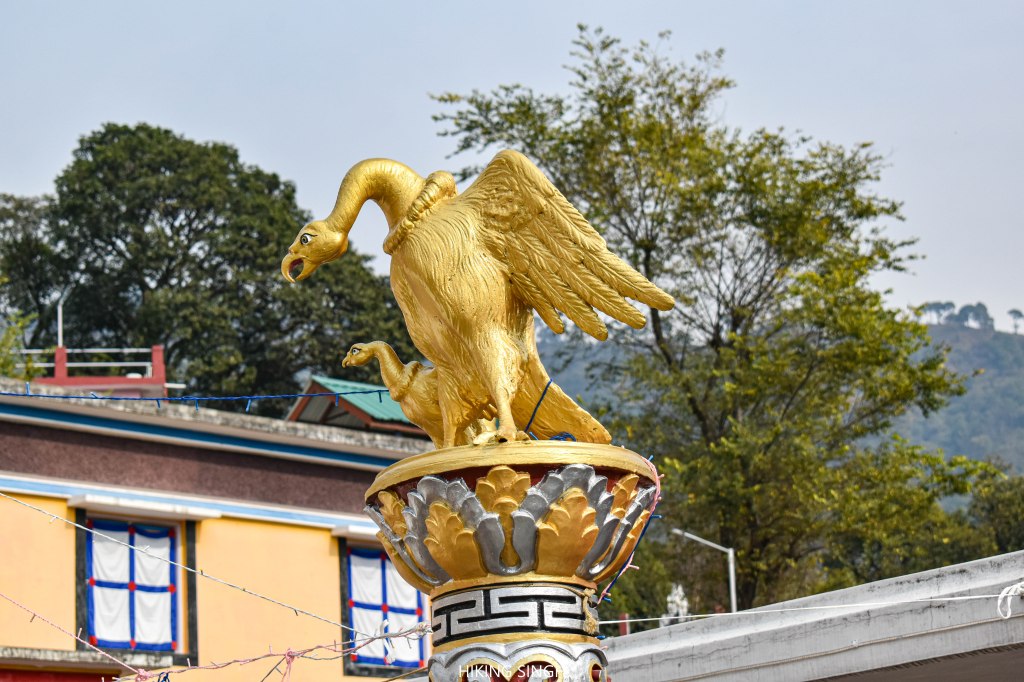
A Glimpse into Monastic Life
One of the highlights of my visit was observing the daily life of the monks who reside at Tashi Jong. The monastery is not just a place of worship; it’s a living, breathing community where spirituality is woven into every aspect of life. I was fortunate enough to witness the monks engaged in their prayer sessions, chanting ancient mantras in deep, resonant tones that seemed to echo through the mountains.
The younger monks, or novices, were engaged in their studies, learning the sacred texts and rituals that form the foundation of their spiritual practice. Their dedication and discipline were inspiring, and it was heartening to see how they balanced their spiritual duties with everyday activities, like helping in the kitchen or tending to the monastery’s gardens.
The monastery is also home to a Tibetan craft center where traditional arts such as thangka painting, wood carving, and weaving are practiced and taught. The intricate designs and vibrant colors of the thangkas, depicting various deities and spiritual symbols, were particularly captivating. Each piece is a labor of love, created with meticulous attention to detail and deep spiritual significance.
After exploring the monastery, I took some time to sit in the courtyard, surrounded by the serene environment. The stillness of the place, punctuated only by the occasional ringing of a prayer bell or the murmur of a monk reciting prayers, provided the perfect backdrop for reflection.
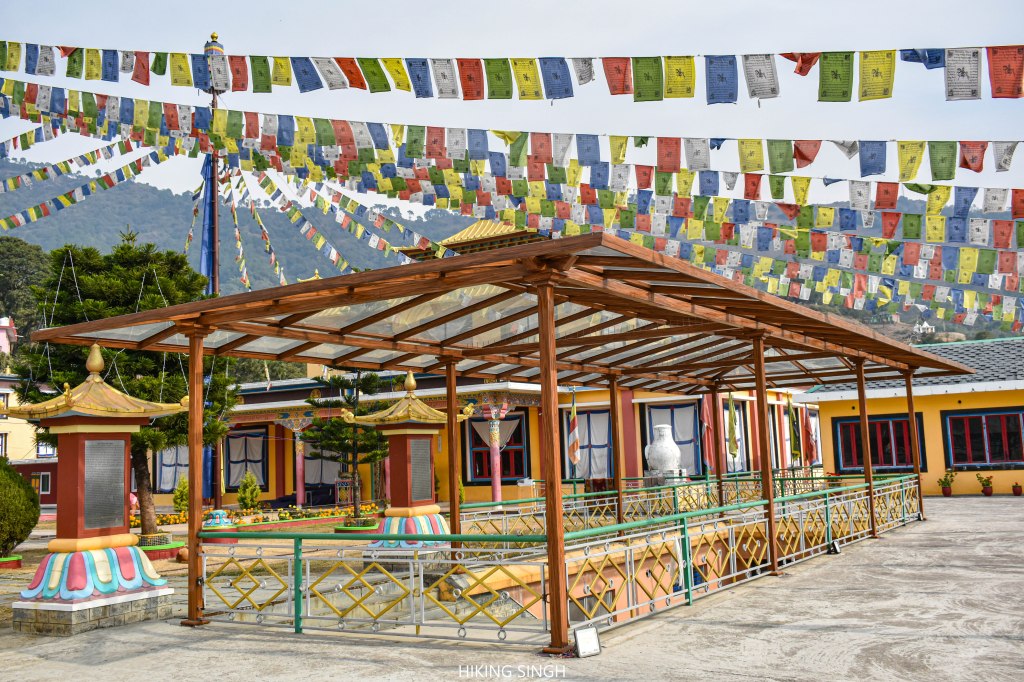
As I sat there, I couldn’t help but think about the simplicity and contentment that seemed to pervade the lives of the monks. Their focus on spiritual growth, their connection to the natural world, and their sense of community were all things that left a deep impression on me. It was a reminder of the power of simplicity and the importance of inner peace in a world that often feels chaotic and overwhelming.
For anyone visiting Palampur or the surrounding region, a trip to Tashi Jong Monastery is a must. Whether you are a spiritual seeker, a lover of art and culture, or simply someone looking for a peaceful retreat, Tashi Jong offers something for everyone. It’s a place where you can disconnect from the noise of the outside world and reconnect with the quiet strength of your inner self. My time at Tashi Jong Monastery left me with a sense of peace and inspiration that I carry with me still.
Soaring the Skies – Paragliding Adventure at Bir Billing
The next day after having a sumptuous breakfast I can confidently say it lives up to every bit of the hype. This experience was not just about flying; it was about embracing the thrill of adventure, the beauty of nature, and the joy of seeing the world from a bird’s-eye view.
Arriving at Bir Billing
The journey to Bir Billing is an adventure in itself. Located in the Kangra Valley of Himachal Pradesh, the drive through winding mountain roads, lush forests, and picturesque villages set the tone for what was to come. As I reached Bir, a charming little village known for its Tibetan culture and monasteries, I feel the excitement building up. The sight of colorful paragliders dotting the sky was a constant reminder of the adventure that awaited me.
Billing, the take-off site, is situated about 14 kilometers uphill from Bir. As we drove up to Billing, the view of the valley below was simply breathtaking. The air was crisp, the sky was clear, and the winds were just right—perfect conditions for paragliding.
The Take-Off: A Mix of Nerves and Excitement
Standing at the edge of the take-off point, with the vast expanse of the Kangra Valley below me, I felt a mix of nervousness and exhilaration. The instructors at Bir Billing are highly experienced and did an excellent job of calming any pre-flight jitters. They went over the safety protocols, explained the process, and assured us that we were in good hands.
As I was strapped into the harness, the reality of what I was about to do hit me. The only thing between me and the valley below was a canopy of fabric and a whole lot of trust in my instructor. But as soon as we started running towards the edge, all the nerves disappeared. The moment the parachute caught the wind, we were airborne, and everything else faded away.
The Flight: An Unforgettable Experience
The sensation of lifting off the ground and gliding into the open sky is indescribable. The initial rush of take-off quickly gave way to a feeling of complete freedom. There I was, suspended in the air, with nothing but the wind guiding our descent. The silence was profound, broken only by the occasional whoosh of the wind and the distant sounds of the valley below.
From the sky, Bir Billing is a sight to behold. The verdant valleys, the terraced fields, the dense forests, and the distant snow-capped peaks all came together to create a panoramic view that was simply mesmerizing. I see tiny villages tucked away in the hills, the winding roads snaking through the landscape, and the Paro river glistening in the sunlight. My instructor pointed out various landmarks and even performed a few acrobatic maneuvers, adding an extra dash of excitement to the experience.
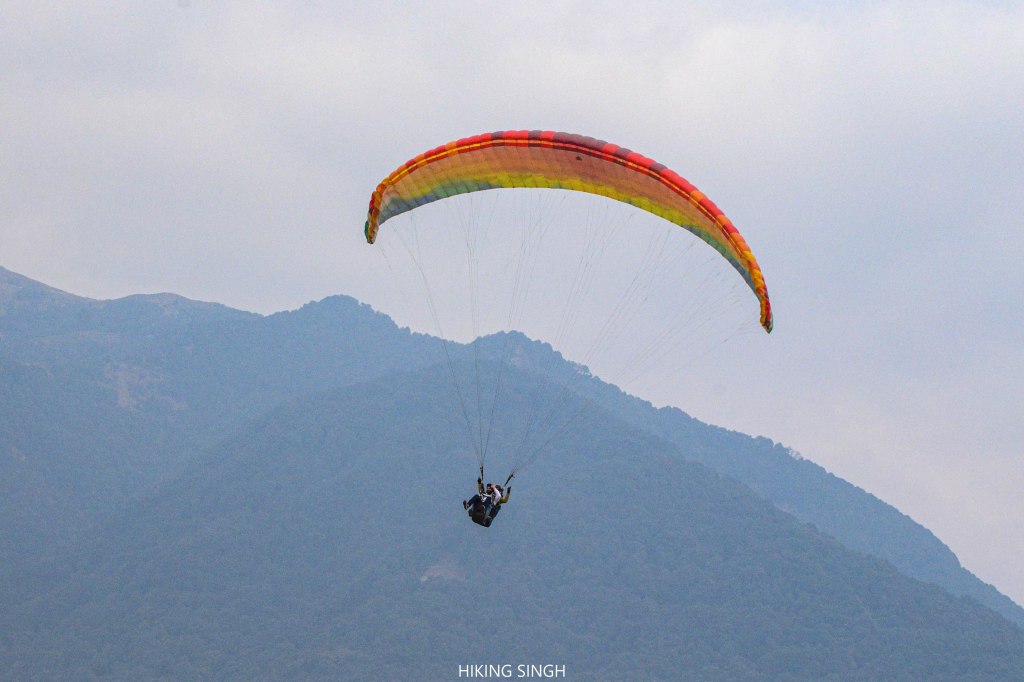
The Landing: Touching Down with a Heart Full of Joy
All good things must come to an end, and so did my time in the sky. As we began our descent, I couldn’t help but wish the flight could last just a little longer. The flight lasted about 20-30 minutes, but the experience of flying like a bird and the sense of freedom it brought will stay with me forever. The landing was smooth, and before I knew it, we were back on solid ground. Touching down at the landing site in Bir, I was filled with a sense of accomplishment and pure joy. The thrill of the flight, the beauty of the landscape, and the sheer exhilaration of the experience made it a moment I will cherish forever.
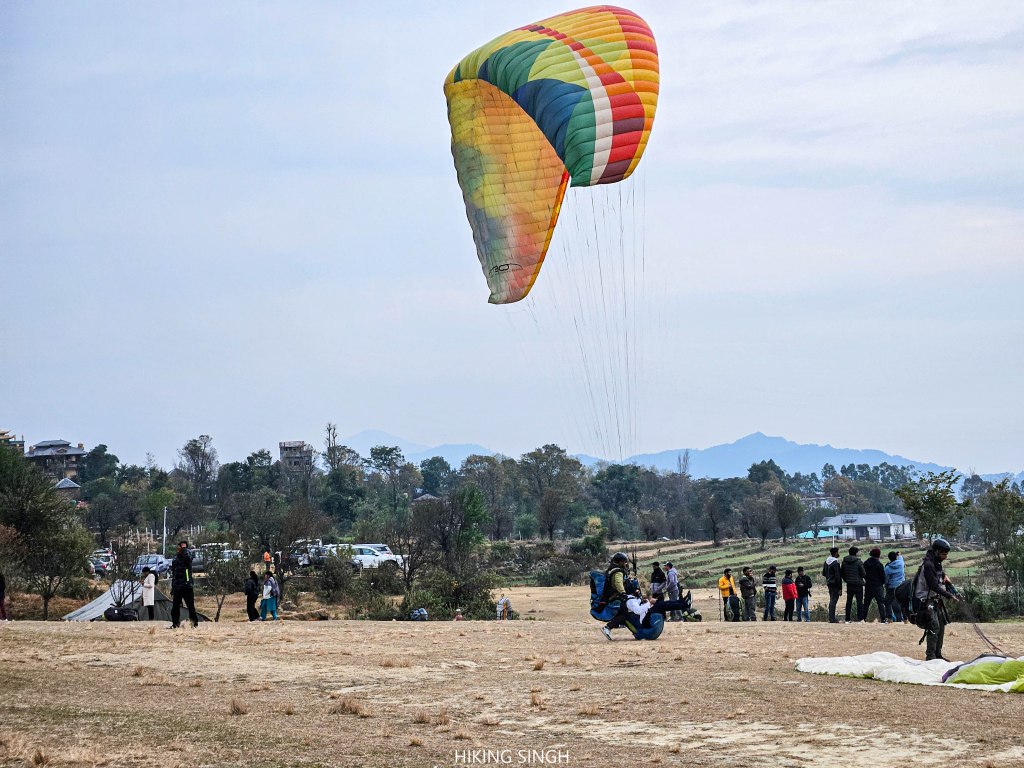
Paragliding at Bir Billing is more than just an adventure sport; it’s an experience that stays with you long after your feet are back on the ground. It’s about pushing your limits, embracing the thrill of the unknown, and seeing the world from a perspective few get to experience. The combination of the perfect flying conditions, the stunning scenery, and the expertise of the instructors makes Bir Billing a must-visit destination for anyone with a love for adventure.
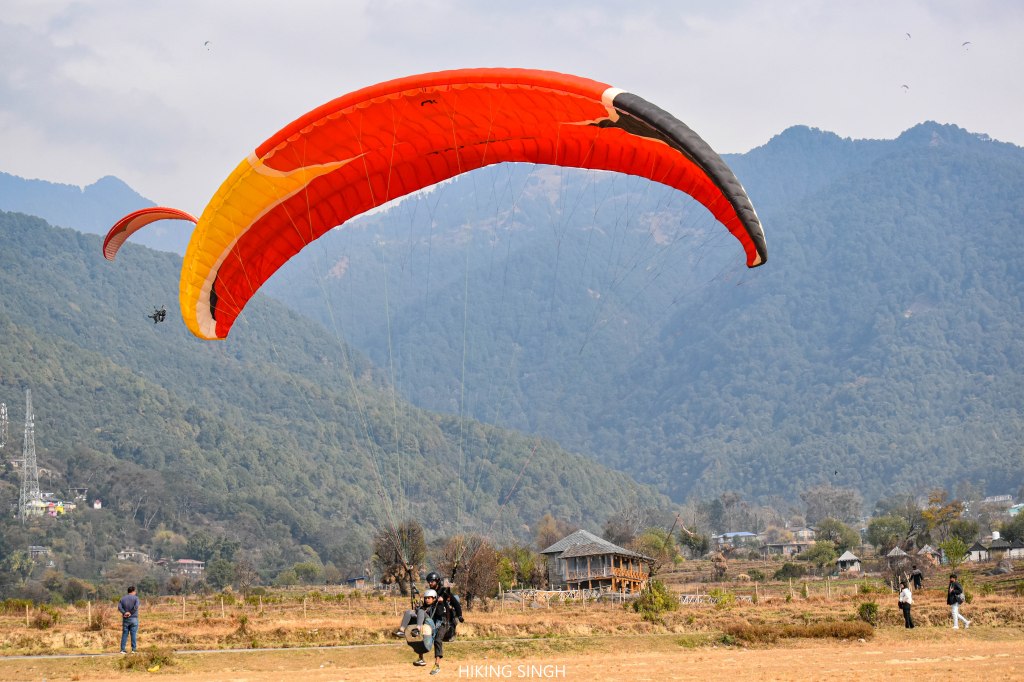
Whether you’re an adrenaline junkie or someone looking to try something new, paragliding at Bir Billing offers an experience like no other. It’s a chance to soar above the world, to feel the wind in your face, and to be completely free, if only for a little while.
Discovering Tranquility – The Palpung Sherabling Monastery
The drive to Palpung Sherabling Monastery is a picturesque one, winding through lush forests and small mountain villages. As I made my way deeper into the valley, the landscape became increasingly serene, with tall deodar trees lining the road and the sounds of nature providing a calming soundtrack. The journey itself felt like a gradual transition from the hustle and bustle of everyday life to the peaceful sanctuary that awaited me.
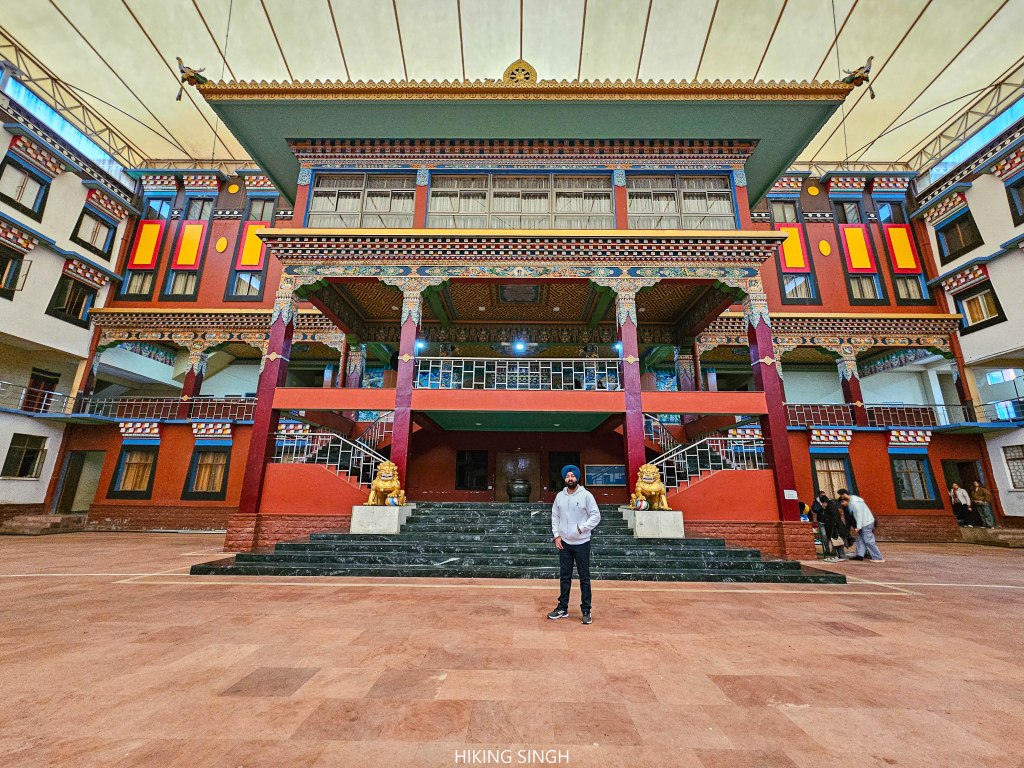
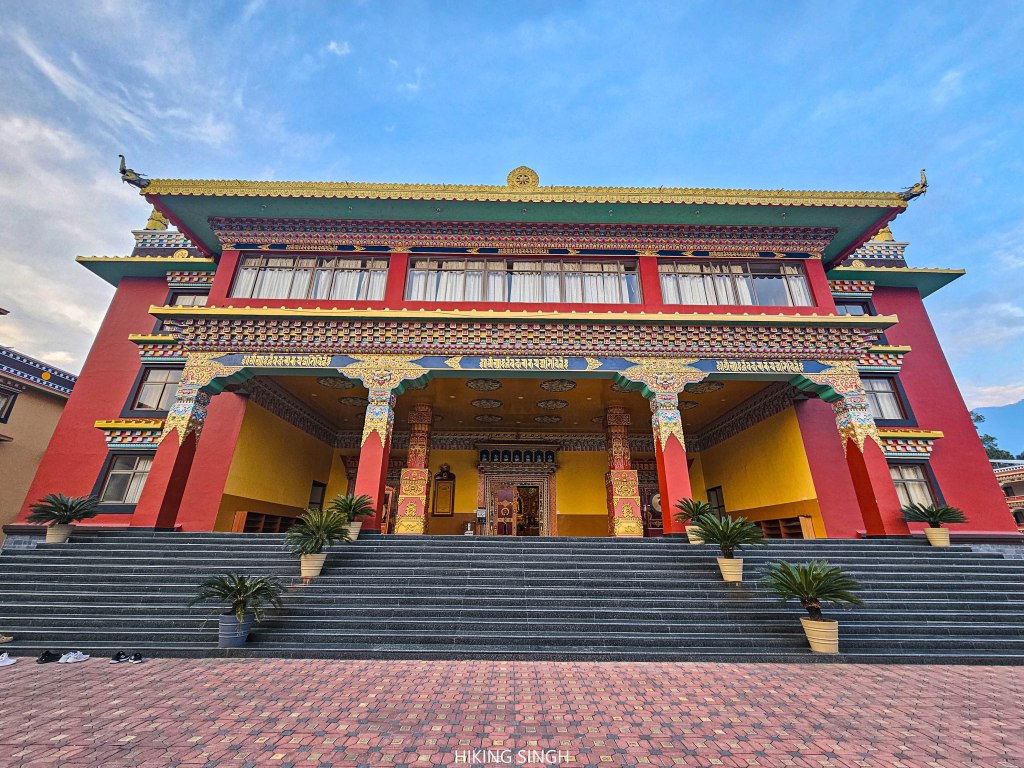
As I approached the monastery, the first thing that caught my eye was its majestic architecture. Nestled amidst dense forests and rolling hills, the monastery complex is a stunning blend of traditional Tibetan and modern architectural styles. The sight of the monastery, with its golden rooftops gleaming in the sunlight against the backdrop of the snow-capped Dhauladhar range, was nothing short of awe-inspiring.
First Impressions: A Sanctuary of Peace
Upon entering the monastery grounds, I was immediately struck by the profound sense of calm that pervaded the air. The rhythmic sound of prayer wheels being spun by devotees, the distant hum of monks chanting, and the fragrant scent of incense created an atmosphere of deep spirituality.
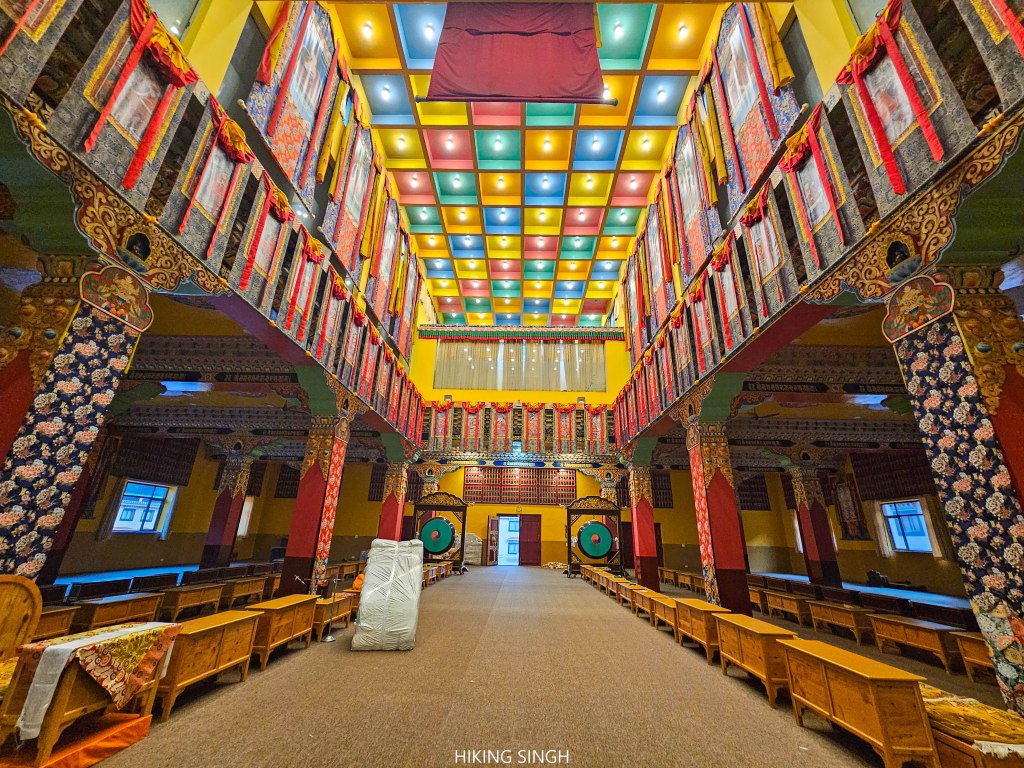
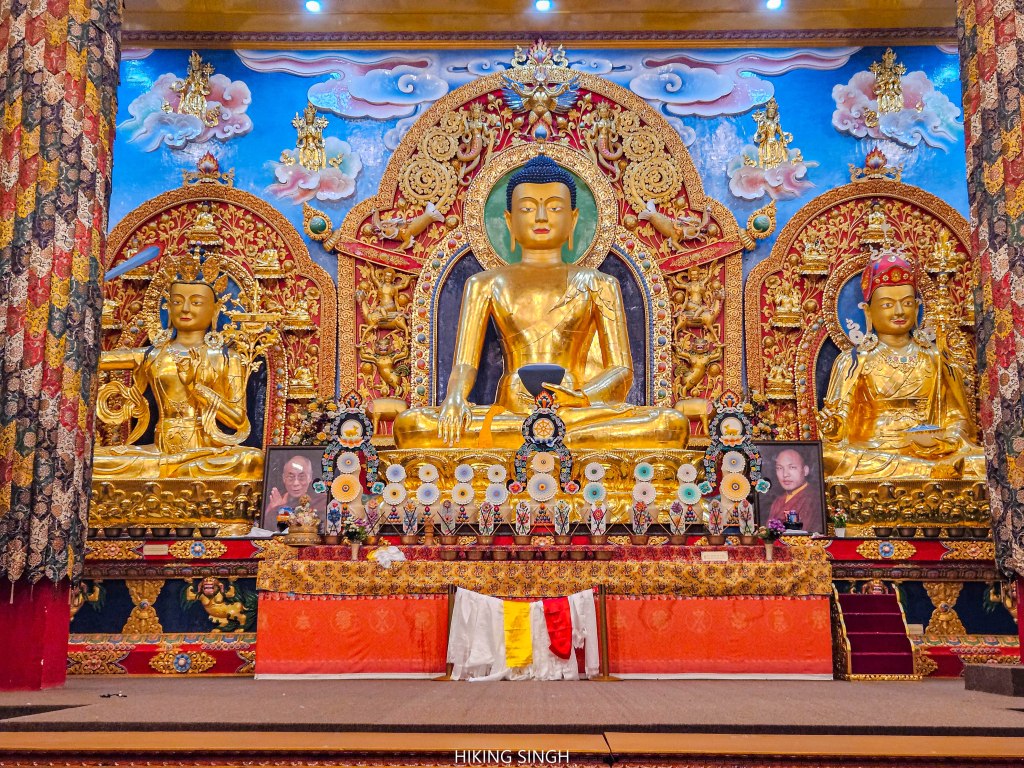
The main prayer hall, or Gompa, is the heart of Palpung Sherabling. As I stepped inside, I was greeted by the sight of an enormous statue of the Buddha, surrounded by intricately painted murals depicting various aspects of Buddhist teachings. The hall was bathed in a warm, golden light, with rows of prayer flags fluttering gently in the breeze. The sheer beauty and serenity of the space invited quiet reflection and meditation.
Exploring the Monastery Complex
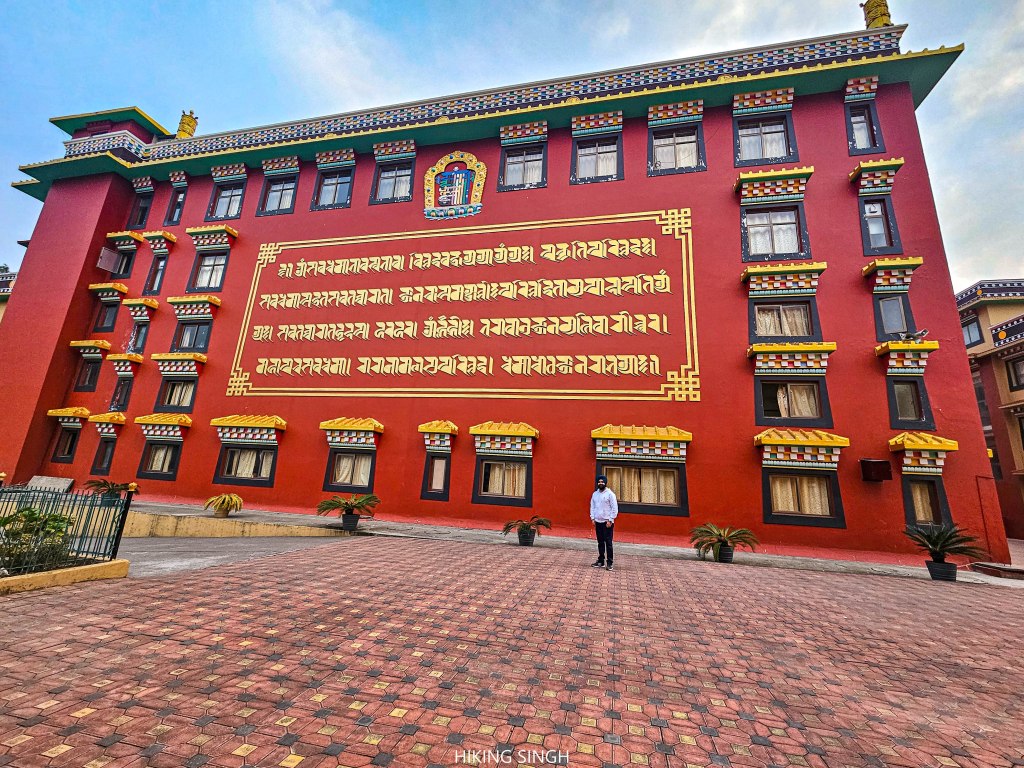
The monastery complex is vast, with numerous buildings spread across its sprawling grounds. In addition to the main prayer hall, there are several smaller shrines, meditation halls, and residential quarters for the monks. Each structure is adorned with intricate carvings, vibrant paintings, and symbolic statues, all of which reflect the rich cultural heritage of Tibetan Buddhism.
One of the highlights of my visit was exploring the extensive library housed within the monastery. The library contains a vast collection of ancient scriptures, manuscripts, and texts on Buddhist philosophy, many of which are handwritten and beautifully illustrated. Browsing through these texts, I was reminded of the depth and richness of the Buddhist tradition and the immense wisdom that has been passed down through generations.
The monastery also has a beautiful garden, where visitors can sit and meditate in the midst of nature. The garden is meticulously maintained, with blooming flowers, manicured lawns, and shaded seating areas. It was the perfect place to relax and absorb the peaceful energy of the monastery.
The Legacy of Palpung Sherabling
Palpung Sherabling Monastery is not just a place of worship; it is also a center for spiritual learning and cultural preservation. The monastery is part of the Palpung tradition, one of the oldest and most influential schools of Tibetan Buddhism. It serves as the seat of the 12th Tai Situ Rinpoche, a revered spiritual leader and teacher who has played a significant role in the revival of Tibetan Buddhism in exile.
The monastery is also a hub for various cultural and educational activities. It hosts regular teachings, meditation retreats, and workshops on Buddhist philosophy, attracting practitioners and students from all over the world. The monks at Palpung Sherabling are deeply committed to preserving the teachings and practices of Tibetan Buddhism while also making them accessible to a global audience.
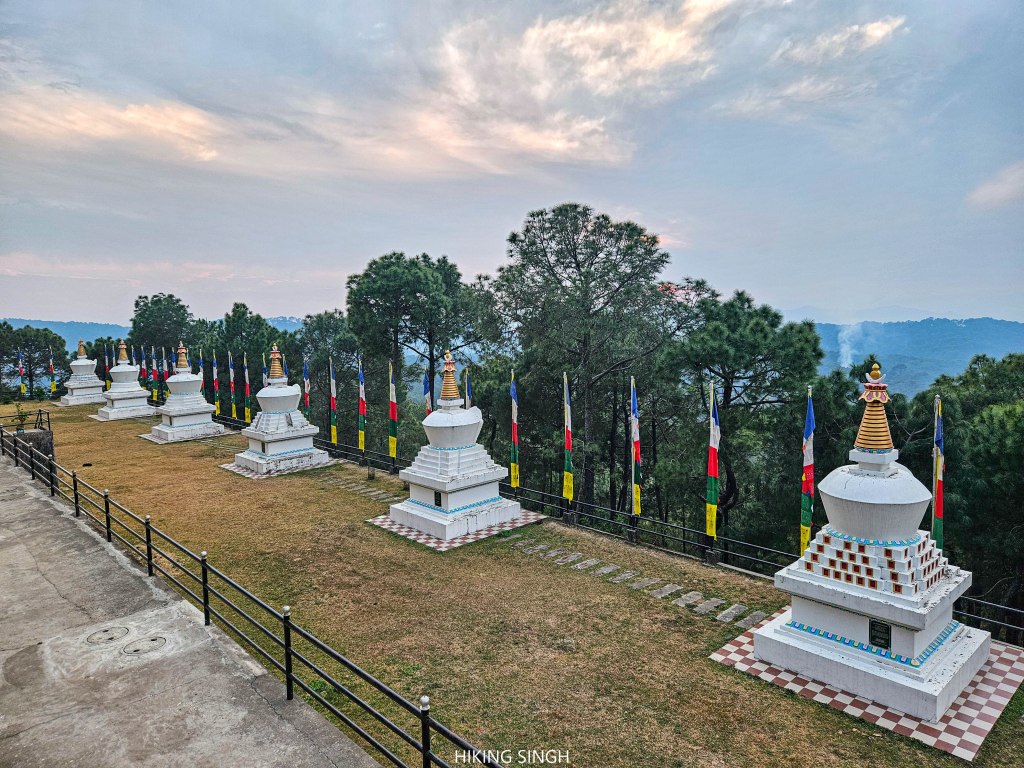
The stupas at Palpung Sherabling Monastery are not just architectural marvels; they are deeply symbolic and hold great spiritual significance for the monastic community and visitors alike. These stupas serve as objects of meditation, and circumambulating them is a common practice for those seeking to accumulate merit and purify negative karma.
The Revolving Restaurant: Dining with a View
After visiting the monastery we returned back to our resort and on the way we had dinner at the revolving restaurant, Palampur. For a dining experience that’s as unique as it is delicious, the Revolving Restaurant in Palampur offers something truly special. Located atop the T-Bud Hotel, this restaurant is one of the few revolving eateries in India, and it provides diners with panoramic views of the surrounding Dhauladhar mountains and the lush Kangra Valley.
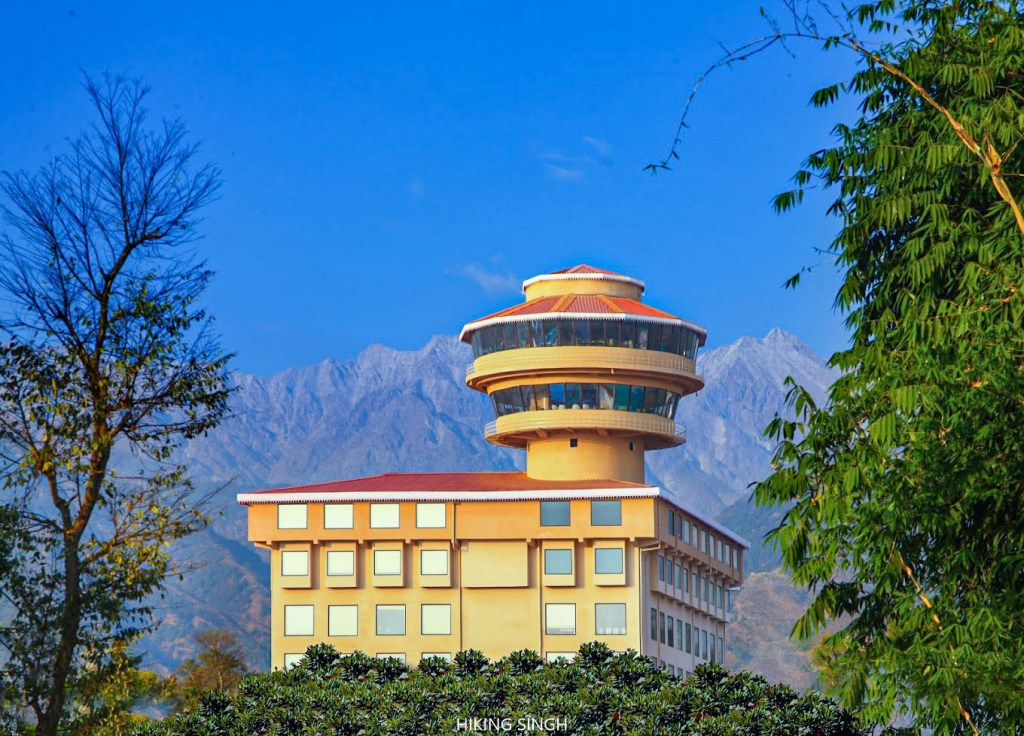
The concept of a revolving restaurant is intriguing—imagine enjoying a meal while the entire dining area slowly rotates, offering you a 360-degree view of Palampur’s breathtaking landscape. The restaurant completes a full rotation in about an hour, giving you ample time to soak in the sights from every angle while savoring your meal.
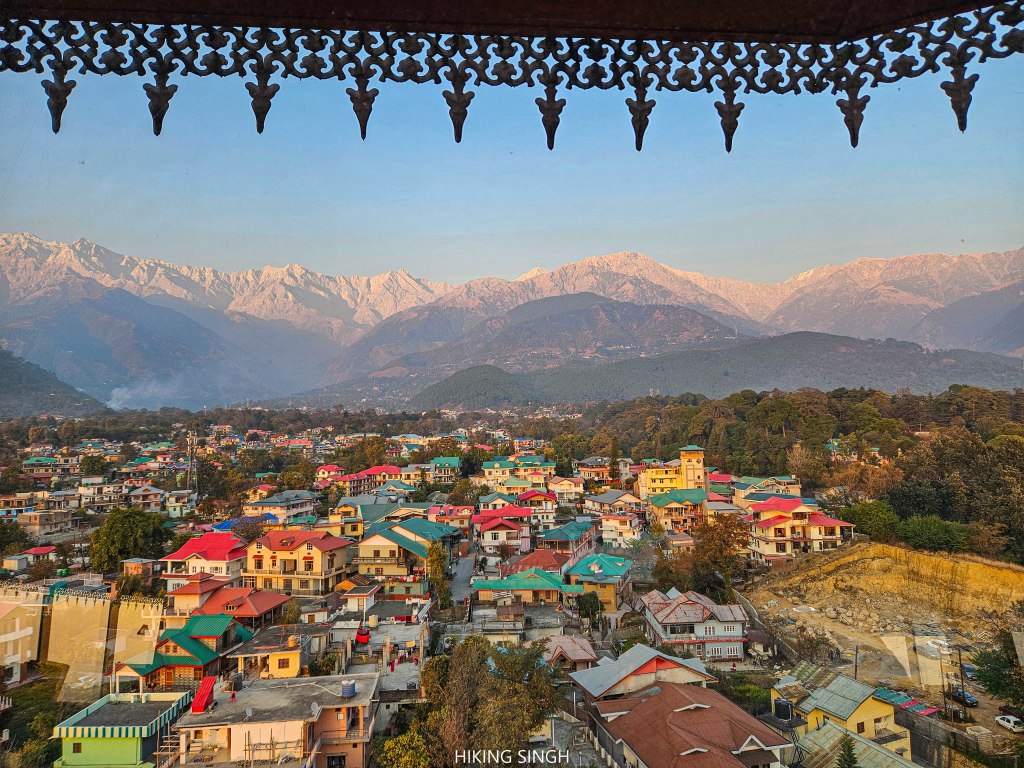
The ambiance of the Revolving Restaurant is sophisticated yet inviting. Large windows surround the dining area, allowing natural light to flood in during the day and offering a stunning view of the twinkling lights of Palampur at night. The décor is modern, with comfortable seating that ensures you can relax and enjoy the experience as you’re gently rotated around the room.
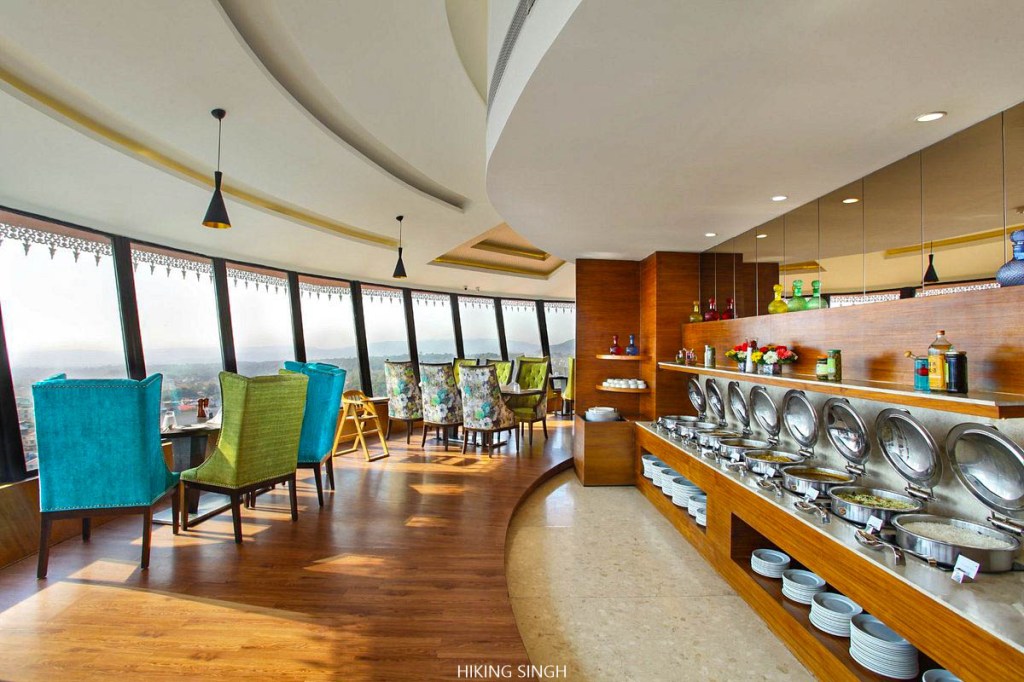
The menu here is diverse, offering a mix of Indian, Continental, and Chinese cuisines, catering to a wide range of tastes. One of the highlights of dining at the Revolving Restaurant is the ability to enjoy your food at a leisurely pace while the scenery changes around you. Whether it’s the snow-capped peaks of the Dhauladhar range, the verdant tea gardens, or the quaint townscape of Palampur, there’s always something new to see with every passing minute.
Palampur is more than just a tourist destination; it’s a place where nature, culture, and adventure come together to create a magical experience. If you’re looking for a getaway that offers a bit of everything, Palampur should definitely be on your travel list.
As our time in Palampur came to an end, I couldn’t help but feel a deep sense of contentment. The town’s natural beauty, combined with its rich cultural heritage and the warmth of its people, made it a destination that will always hold a special place in my heart. Whether it was the tranquil moments spent in the tea gardens, the artistic inspiration drawn from Andretta, or the adrenaline rush of paragliding at Bir Billing, every experience in Palampur was truly unforgettable.
 Travel | Wander | Explore