The allure of the Himalayas had always been irresistible to me, and finally, the moment arrived when I embarked on a journey that promised not just scenic beauty but a transformative experience. The adventure began with a plan to explore Manali and its surrounding marvels, from the historic Hadimba Temple to the engineering wonder of the Atal Tunnel, and the serene hamlets of Koksar and Sissu. The stay at Urvashi Retreat, nestled in the lap of nature, added the perfect touch of tranquility to this captivating expedition.
Nestled in the heart of the Himalayas, Urvashi Retreat is not just a place to stay; it’s an experience that immerses you in the serenity and beauty of nature. My journey to this enchanting retreat began in afternoon, as I made my way through the winding roads of Manali. I visited Van Vihar, Hadimba Temple. Each turn on the slithering roads revealed more of the breathtaking landscapes and positivity all around.
Van Vihar
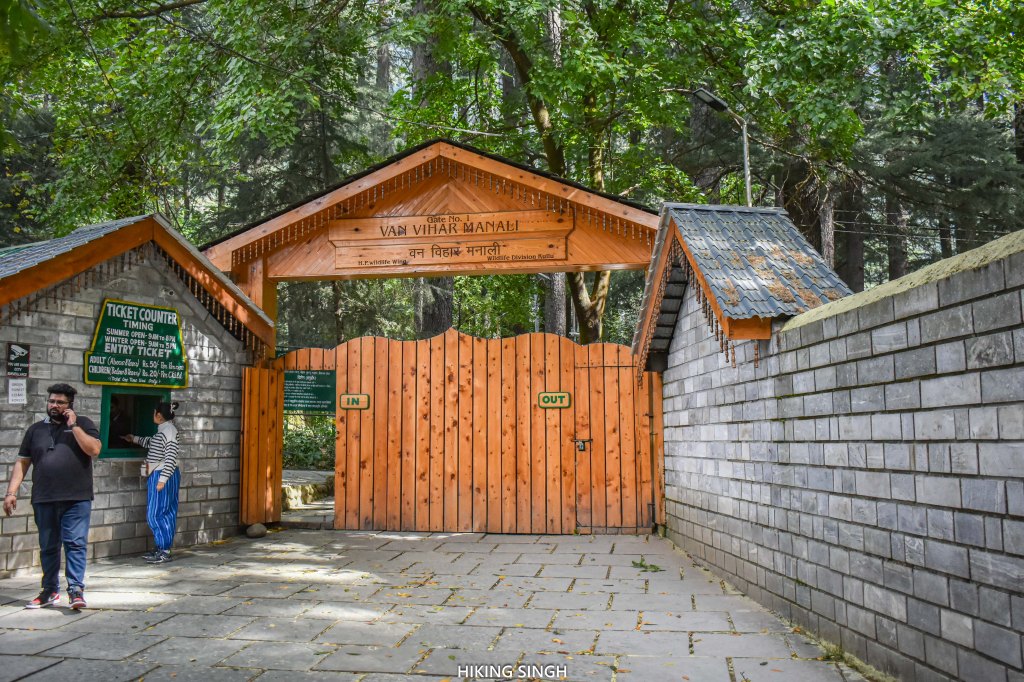
Van Vihar National Park offers a serene escape into nature’s embrace. This lush green haven, located near the bustling Mall Road, is a perfect retreat for nature lovers, families, and anyone seeking tranquility away from the hustle and bustle of city life. With its towering deodar trees, manicured gardens, and serene ambiance, Van Vihar provides a refreshing contrast to the more commercial attractions of Manali.
A Walk Through Nature’s Bounty
As you enter Van Vihar, the first thing that strikes you is the dense canopy of deodar and pine trees. These towering giants, some of which are centuries old, create a natural umbrella, shielding visitors from the harsh rays of the sun and creating a cool, shaded environment. The sound of rustling leaves, the chirping of birds, and the gentle breeze combine to create a symphony of nature that instantly soothes the senses.
The park features well-maintained pathways that meander through the forested area, making it easy for visitors to explore. These paths are lined with benches, allowing you to sit back and absorb the tranquil surroundings. The cool, crisp air is invigorating, and the scent of pine needles and earth adds to the sensory experience.
Attractions within the Park
Van Vihar is not just about walking through the woods; it offers several attractions that make the visit even more enjoyable.
1. Boating Pond:
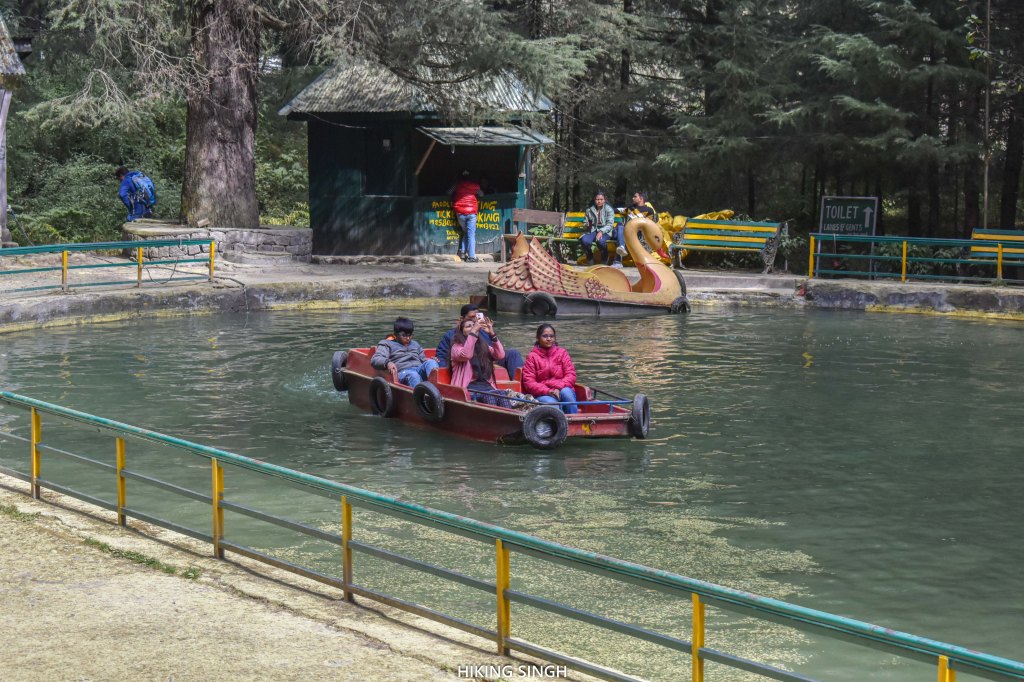
One of the highlights of Van Vihar is its artificial pond, where visitors can enjoy boating. The pond, surrounded by verdant greenery, provides a serene setting for a leisurely boat ride. Paddling across the calm waters, with the reflection of trees and sky creating a mesmerizing scene, is a delightful experience for both adults and children.
2. Play Area for Children:
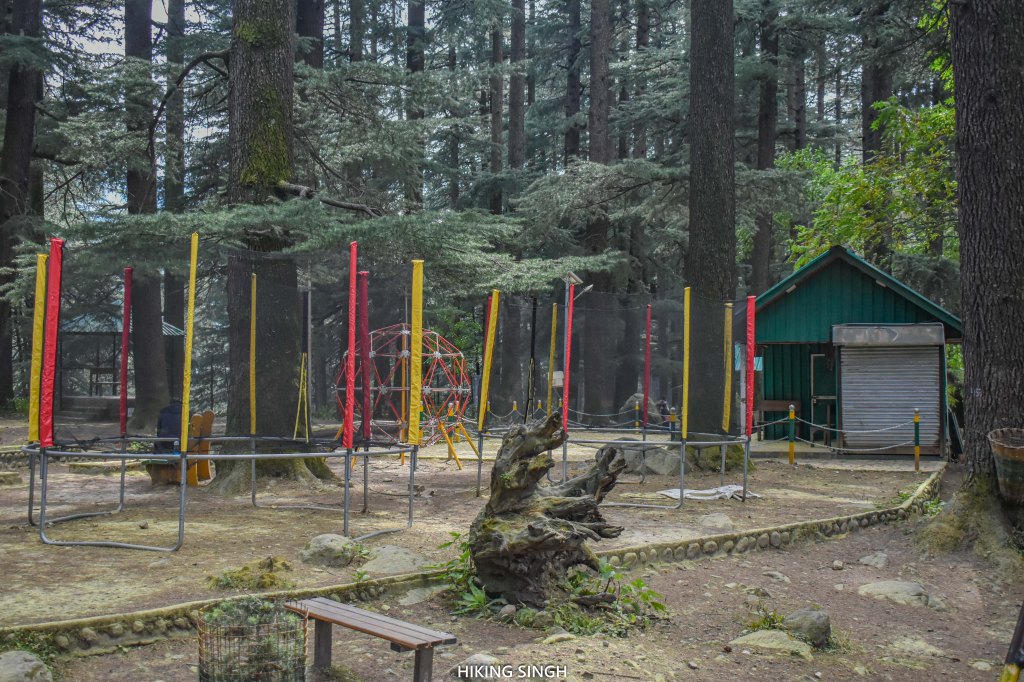
For families with young children, Van Vihar offers a well-equipped play area. The playground has swings, slides, and other play equipment, providing a safe and fun environment for kids to burn off some energy while parents relax nearby.
3. Wildlife Spotting:
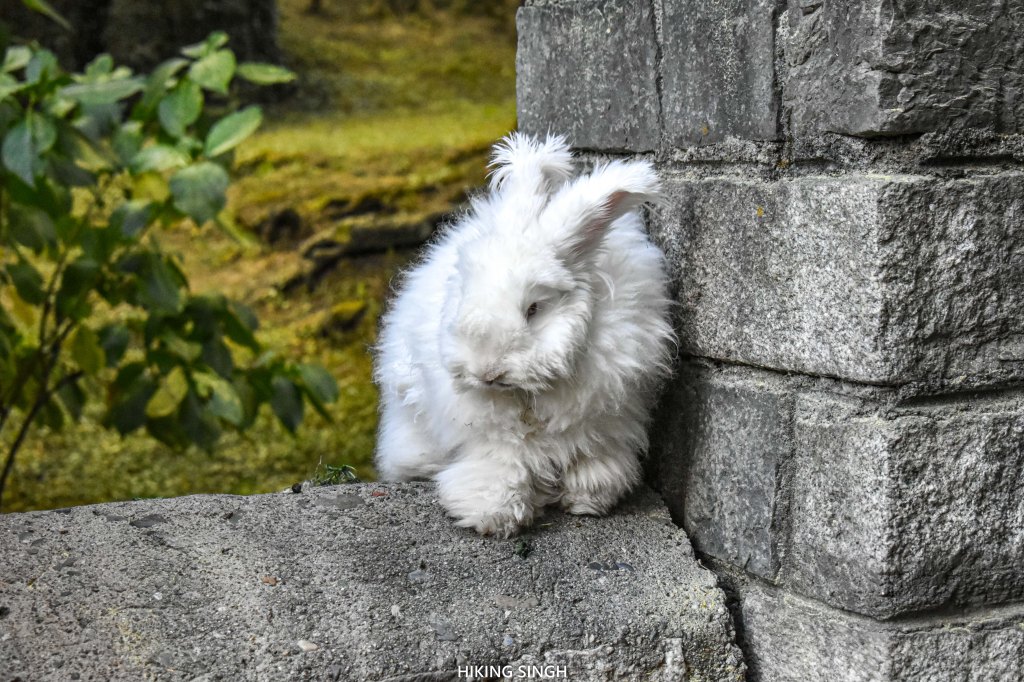
The park is home to a variety of flora and fauna. While strolling through the park, you might spot some of the resident birds, such as magpies, woodpeckers, and bulbuls, adding a touch of excitement for birdwatching enthusiasts. The diversity of plant life also includes several species of flowering plants and shrubs, which add splashes of color to the green landscape.
4. Scenic Picnic Spots:
Van Vihar is dotted with numerous picnic spots where families and groups can sit and enjoy a meal amidst nature. The lush lawns provide a perfect setting for a picnic, and the surrounding beauty enhances the overall experience. Many visitors bring along snacks and refreshments to make the most of their time in the park.
Hadimba Temple
Among its many attractions, the Hadimba Temple stands out as a unique blend of history, mythology, and architectural splendor. Also known as the Dhungari Temple, it is dedicated to Hadimba Devi, a significant figure in Indian mythology. This temple, with its serene surroundings and intriguing lore, offers visitors a glimpse into the spiritual and cultural heritage of Himachal Pradesh.
The temple is situated in the midst of a dense cedar forest known as Dhungiri Van Vihar, enhancing its mystical ambiance. The forest itself is believed to be centuries old, adding to the timeless feel of the place.
Architectural Marvel
The Hadimba Temple is an architectural masterpiece that stands out due to its unique design and construction. Unlike typical North Indian temples, it is built in the distinct pagoda style, a testament to the region’s rich cultural heritage.
1. Pagoda Style:
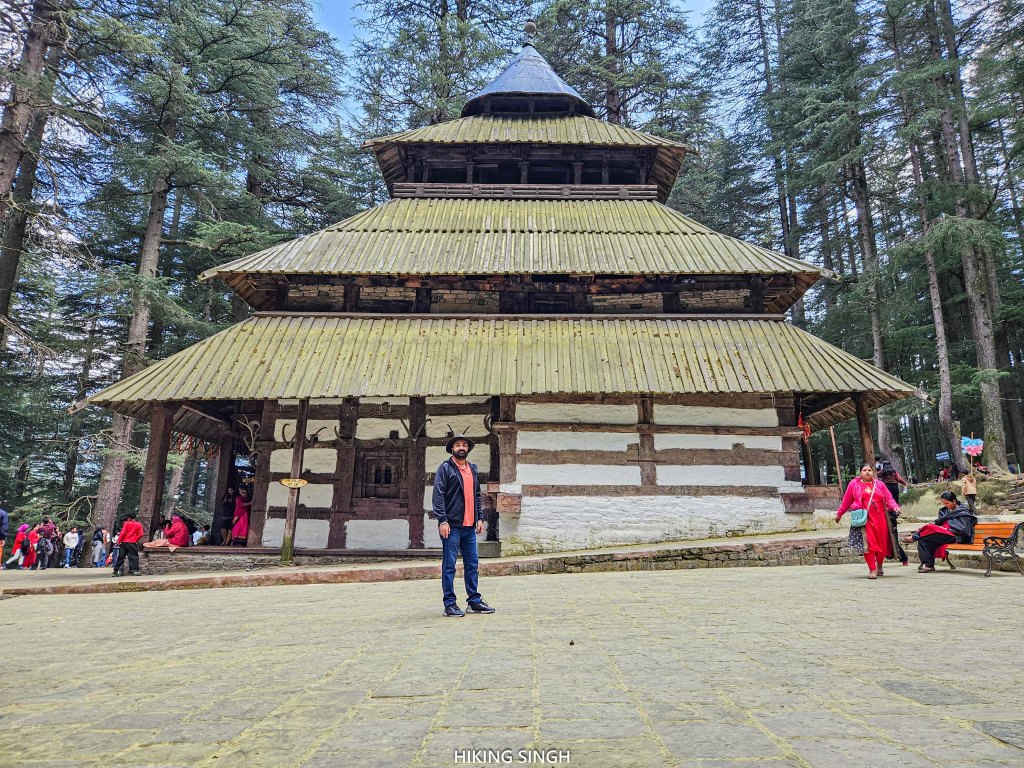
The temple features a three-tiered roof made of timber, covered with wooden shingles, and crowned with a brass cone. The tiers of the roof, diminishing in size as they ascend, create a pyramid-like structure, which is typical of pagoda architecture.
2. Intricate Woodwork:
One of the most striking features of the Hadimba Temple is its intricate wooden carvings. The doors, pillars, and beams are adorned with elaborate carvings depicting various deities, symbols, and floral patterns. The craftsmanship reflects the rich tradition of Himachali art and adds to the temple’s aesthetic appeal.

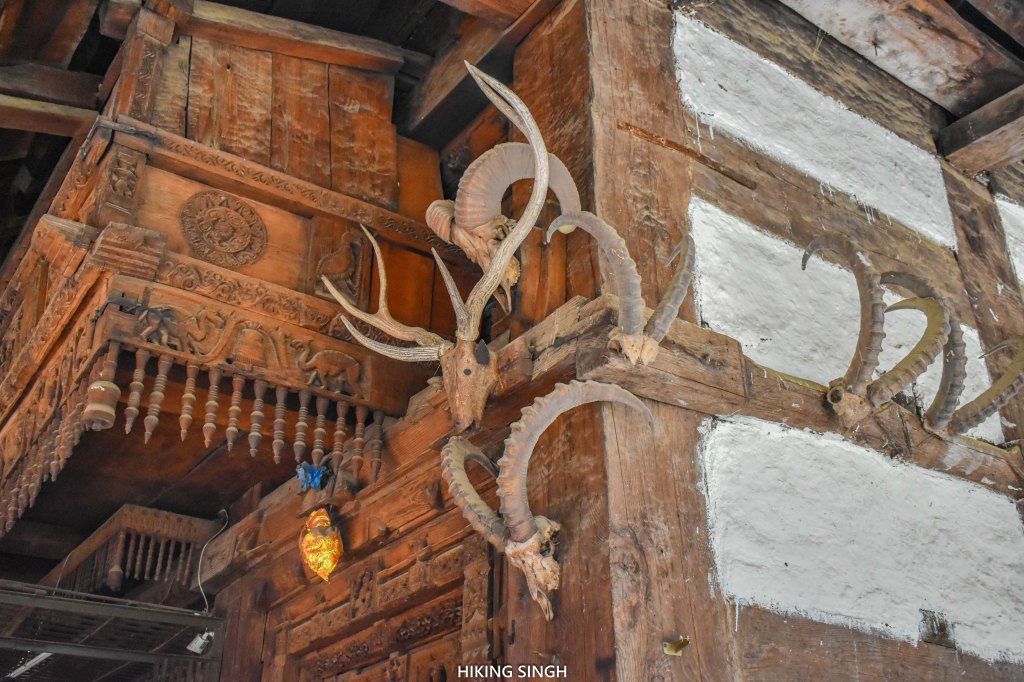
3. Stone Base:
The temple stands on a solid stone base, giving it a sturdy foundation and a sense of permanence. This stone base contrasts beautifully with the wooden superstructure, highlighting the harmonious blend of materials.
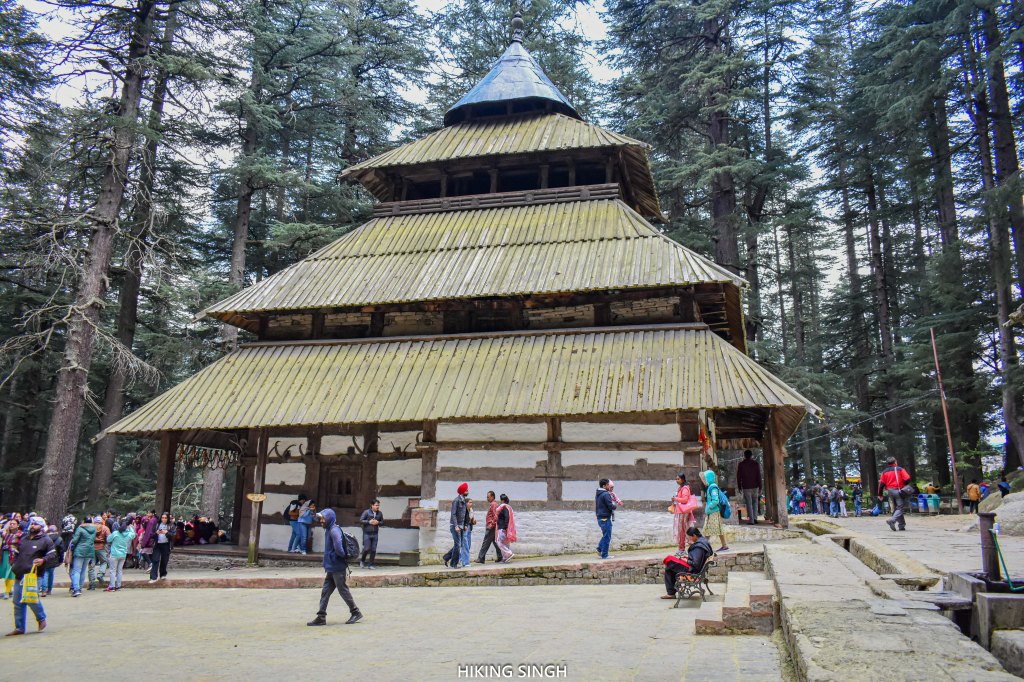
4. Sacred Space:
Inside the temple, the sanctum sanctorum houses an image of Hadimba Devi. The inner sanctum is simple yet exudes a powerful aura, inviting devotees and visitors to offer their prayers and seek blessings.
Spiritual Significance
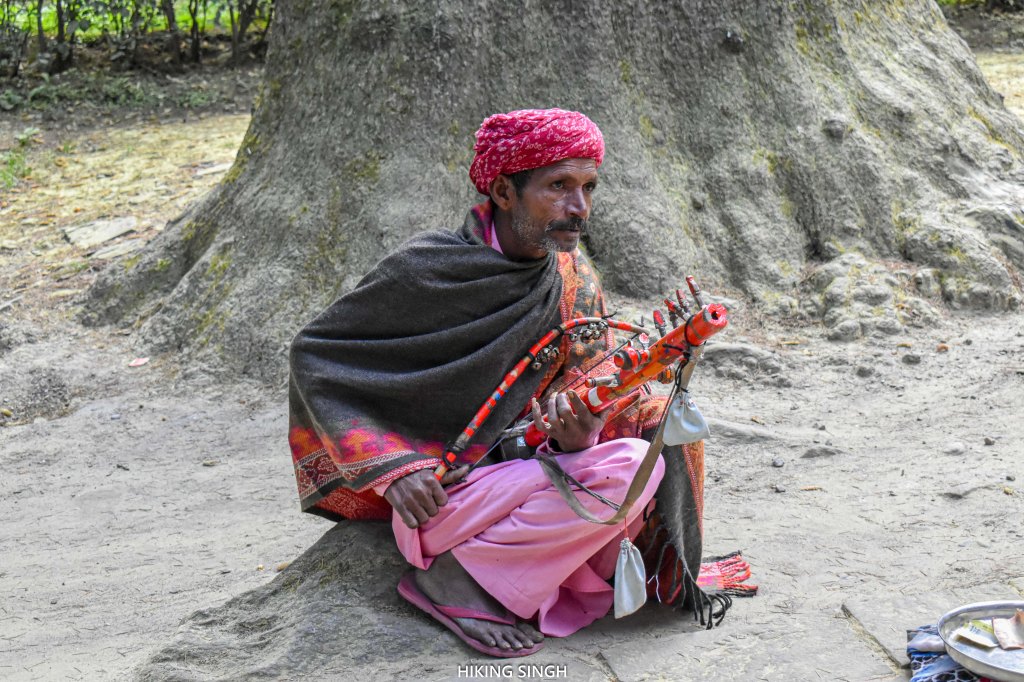
The Hadimba Temple holds immense spiritual significance for the locals and pilgrims who visit from afar. It is not only a place of worship but also a cultural symbol. The annual festival of Dhungari Mela, held in honor of Hadimba Devi, attracts a large number of devotees. This festival, celebrated with much fervor, includes traditional music, dance, and various cultural performances, reflecting the vibrant local culture.
After that we had lunch at Sher-e-Punjab restaurant at Mall Road. The food we ordered was fresh tasty and so flavorsome. We then moved to our destination of the day; Urvashi Retreat.

Urvashi Retreat – A Warm Welcome
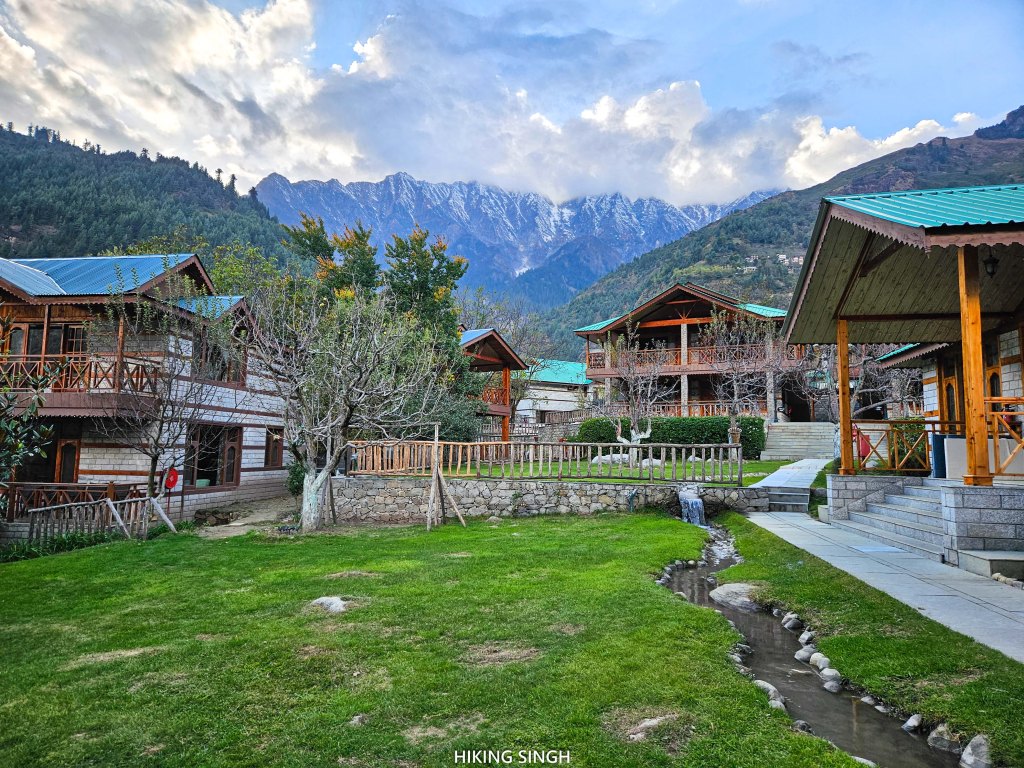
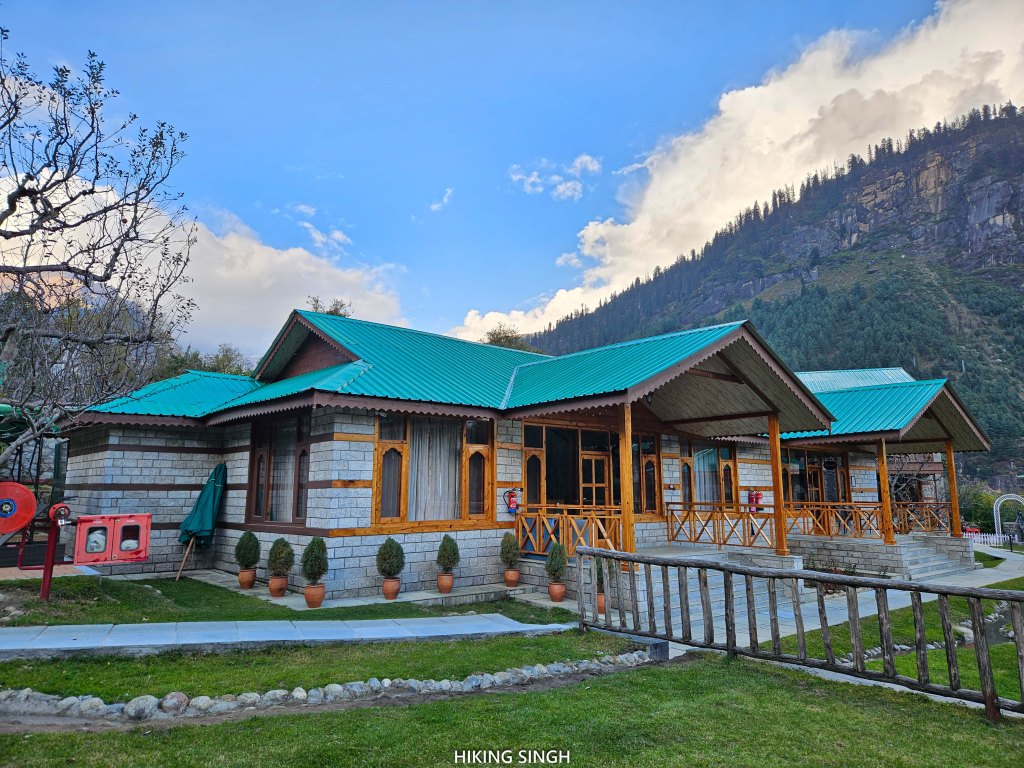
The drive to Urvashi Retreat was a prelude to the tranquility that awaited me. As I approached the retreat, the sight of its charming cottages and the surrounding lush greenery instantly put me at ease. Urvashi Retreat stands as a testament to the harmonious blend of traditional Himachali architecture and modern luxury. This architectural gem not only offers a haven of tranquility but also serves as an inspiration for sustainable and culturally respectful design.
The staff welcomed me with warm smiles and traditional Himachali hospitality, making me feel right at home. I was shown to my room, a cozy yet luxurious space that offered stunning views of the snow-capped mountains. The wooden interiors, adorned with local handicrafts, exuded a rustic charm while providing all modern amenities. After settling in, I stepped out to take in the panoramic view of the valley below. The sun was beginning to set, casting a golden glow over the landscape. I sipped on a cup of freshly brewed tea, feeling the stress of city life melt away.
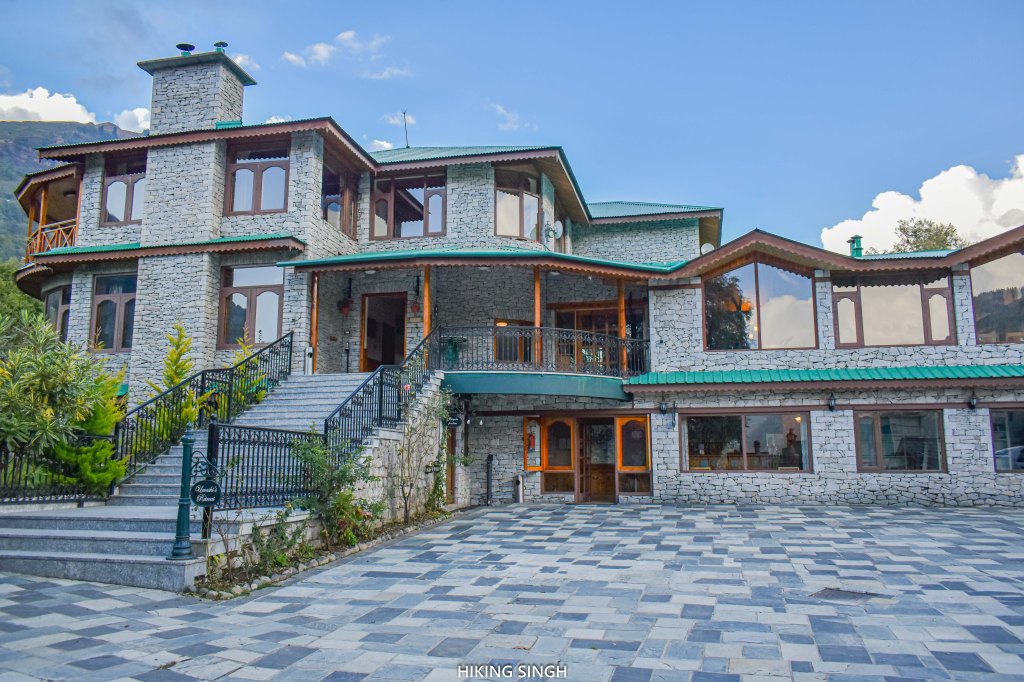
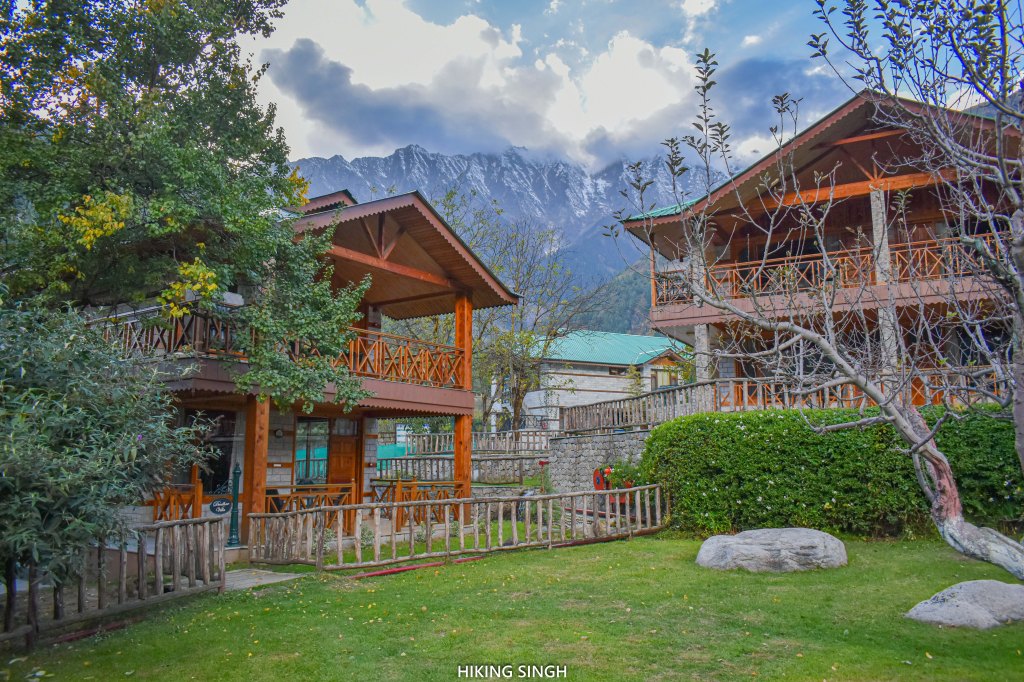
kathkuni himalayan architecture
The retreat comprises of 22 tastefully designed suites and rooms with a cosy ecosystem replete with a wellness centre, restaurant, bar and a mini-apple orchard spread over 2 acres. Unique in its adaptation of Himalayan Blue Pine and Kathkhuni architecture, its Himalayan chalets and its surrounding natural plenitude make for an unforgettable getaway.
The retreat’s design is heavily influenced by the traditional Kath-Kuni style, a distinctive architectural style native to Himachal Pradesh. This style is characterized by the use of locally sourced materials, primarily wood and stone, arranged in an alternating pattern without the use of mortar. This technique not only adds to the aesthetic appeal but also ensures durability and resilience against the harsh climatic conditions of the Himalayas.
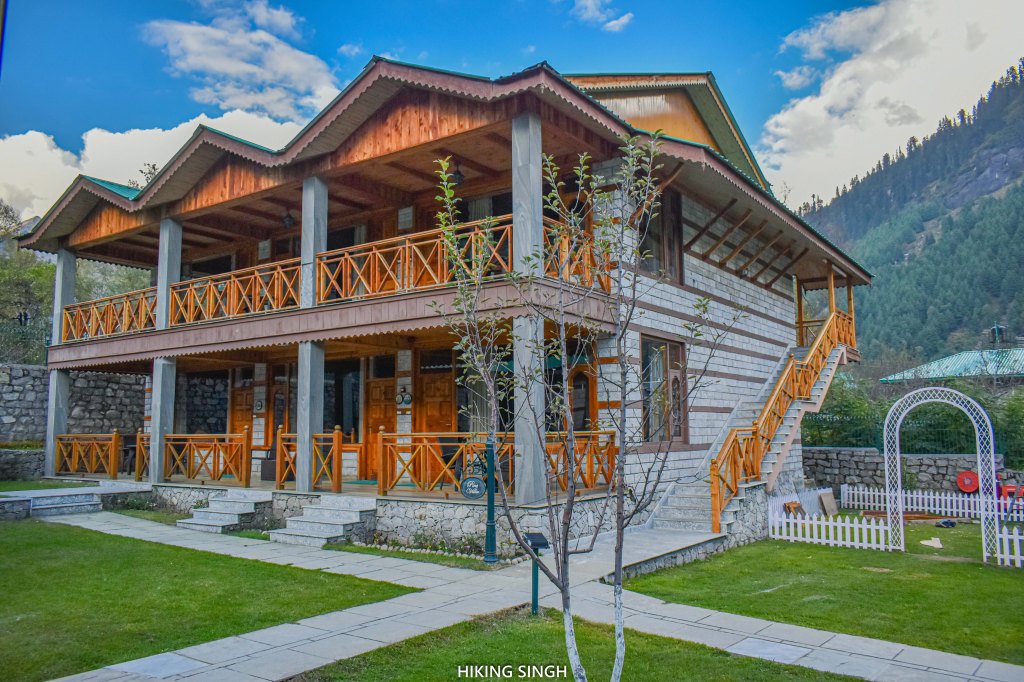
Wooden Beams and Stone Walls: The structures at Urvashi Retreat feature thick stone walls interspersed with wooden beams, creating a visually striking pattern. This not only enhances the rustic charm but also provides excellent insulation, keeping the interiors warm in winter and cool in summer.
Sloping Roofs: The retreat’s buildings are topped with sloping slate roofs, designed to withstand heavy snowfall and channel rainwater efficiently. The use of slate, a locally abundant material, adds to the authenticity and sustainability of the design.
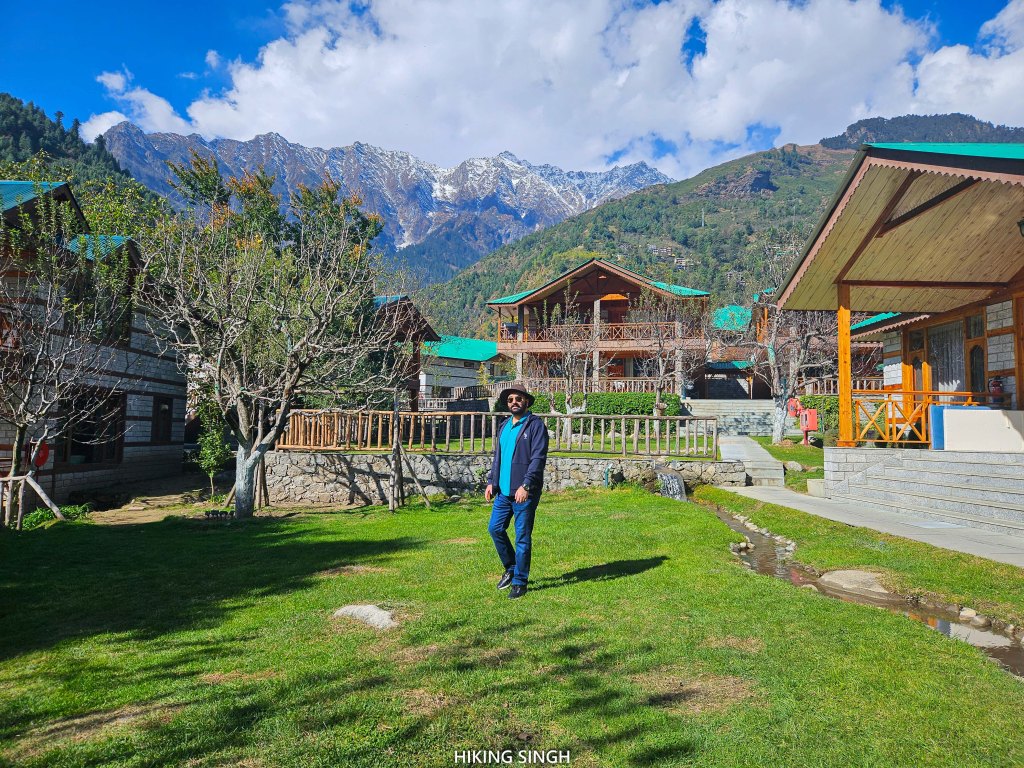
modern luxury and comfort
While the retreat honors traditional architectural practices, it doesn’t compromise on modern amenities. The interiors are thoughtfully designed to provide a luxurious yet cozy environment for guests.
1. Spacious Interiors: The rooms and common areas are spacious, with large windows that offer stunning views of the surrounding mountains and valleys. Natural light floods the interiors, creating a bright and inviting atmosphere. The retreat offers
2. Deluxe Rooms: These are ornately designed with blue pine for their paneling, these rooms are situated around the brooks and in the midst of the mini-orchard. The room offers uniquely designed interiors with Rohtang view and garden view.
3. Superior Rooms: One enjoys premium stay experiences at these quaint duplexes, with spectacular views of the majestic mountains. Ornately designed space with cosy attic area they offer majestic views of the Rohtang Pass and include balconies & private lawn space, ideal for large groups.
4. Premium Rooms: Overlooking the vast valley of Manali towards Vashisht, the premium room is unmatchable in its grandeur. The fine wooden paneling is alternated with a stone chimney wall and large bay windows that face the quaint Brookside neighborhood offers Victorian style furniture with private balcony.
5. Suites & Villas: One can choose from the spacious one bedroom suite or the Chinar Villa which has two double rooms interconnected by a balcony. The ground floor of the villa includes a cosy living-dining space, a fireplace, a powder room and a kitchenette. It is an independent villa with expansive living room & private pantry.
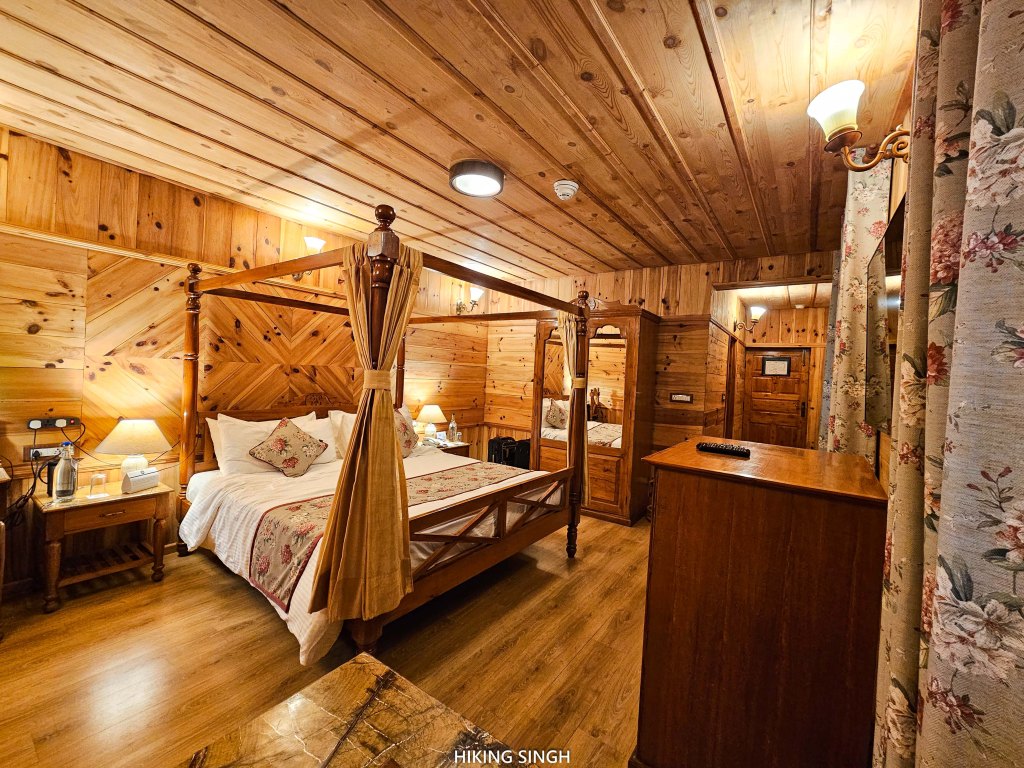
6. Luxurious Furnishings: The furniture and fittings are a blend of contemporary design and traditional craftsmanship. Plush bedding, elegant wooden furniture, and modern amenities ensure that guests experience the highest level of comfort.
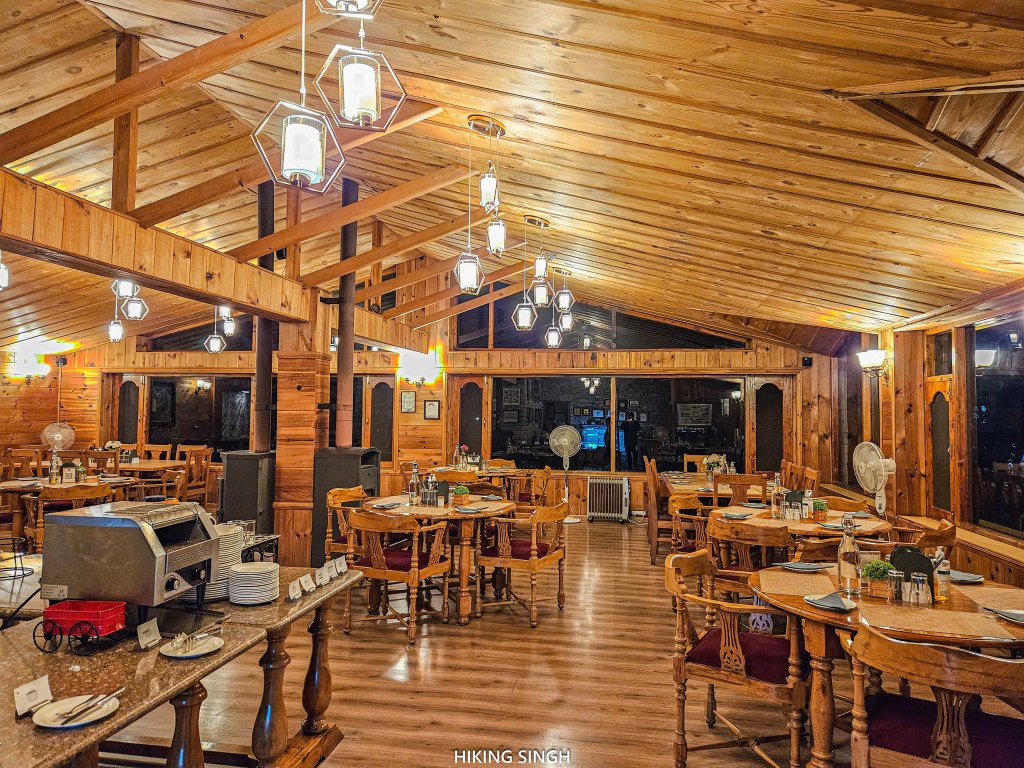
7. Rohtang Pavilion: The retreat’s in-house restaurant offers a multicuisine menu featuring local Himachali cuisine, Indian dishes, and international fare. One can enjoy a varied banquet of local and international cuisine at this expansive all-day dining restaurant.
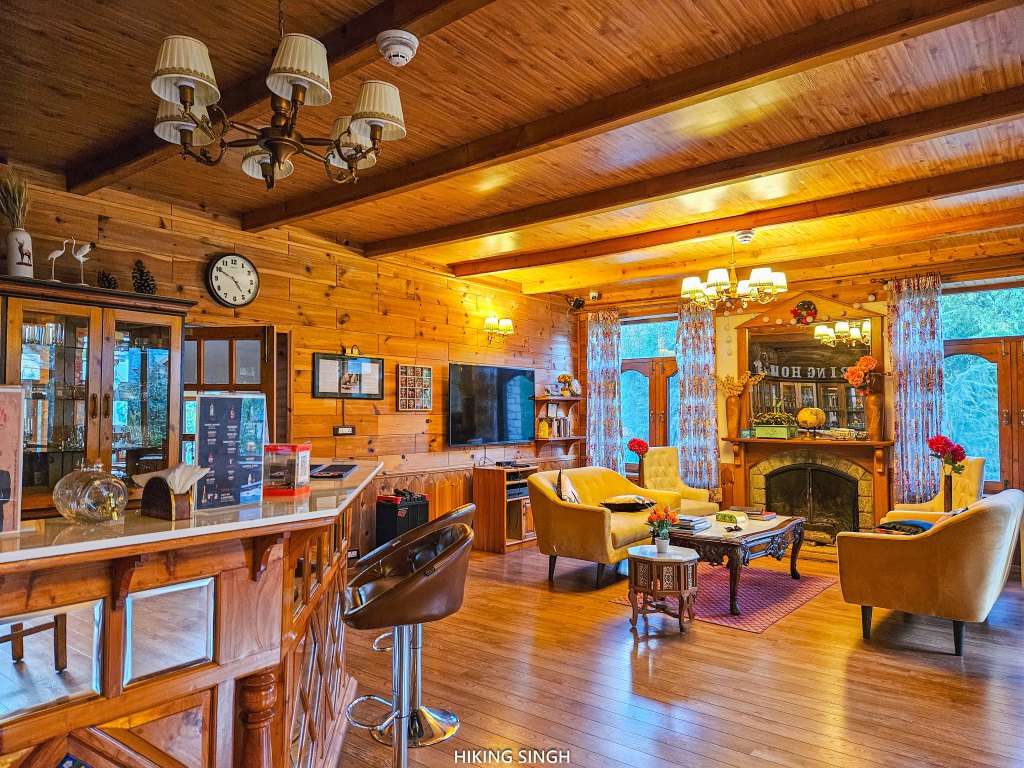
8. Mike’s Tavern: Retreat offers a premium lounge experience where one can relax with a favorite book and hot beverage, or invigorate oneself with a game of chess with friends and family at this pine-panelled tavern. Enjoy savour delectable finger canapes and premium beverages, with soothing views of the lush greens outside.
9. Alfresco Garden: An uplifting outdoor sit-out, the alfresco garden is an ideal spot for sunny afternoons and balmy summer evenings. Surrounded by white picket fences with lilies and a string of filament lights overhead, this is a dining venue that shouldn’t be missed.
10. Brooks Bakery: Savour some in-house gourmet baked goodies by the retreat’s very own Brooks bakery. A passion project, the bakery is dedicated to crafting customized confectionery and breads for guests.
11. Fitness Centre: Keep up with your daily fitness regime while enjoying the spectacular views at in-house fitness center offered by the retreat.
12. Spa: The spa offers curated treatments, in a relaxing ambience. Destress and revive yourself with international treatments, steam, sauna and jacuzzi.
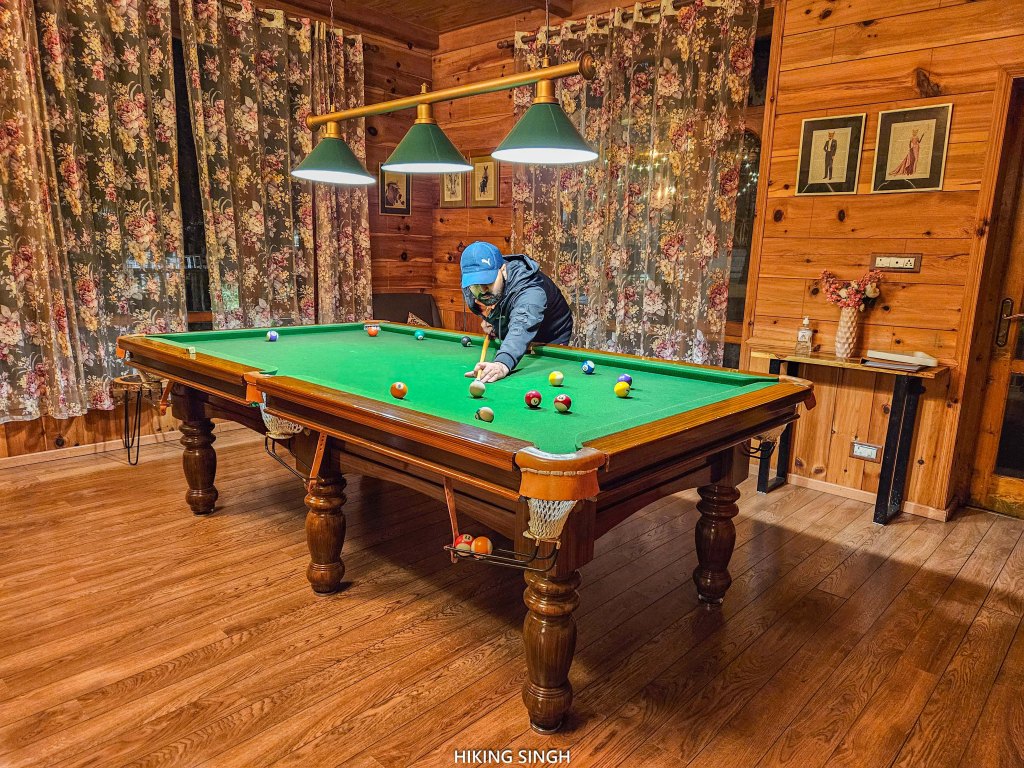
13. Ollie’s Corner: Bond with friends and family over a choice of games options at our Games room.
Sustainable Design Practices
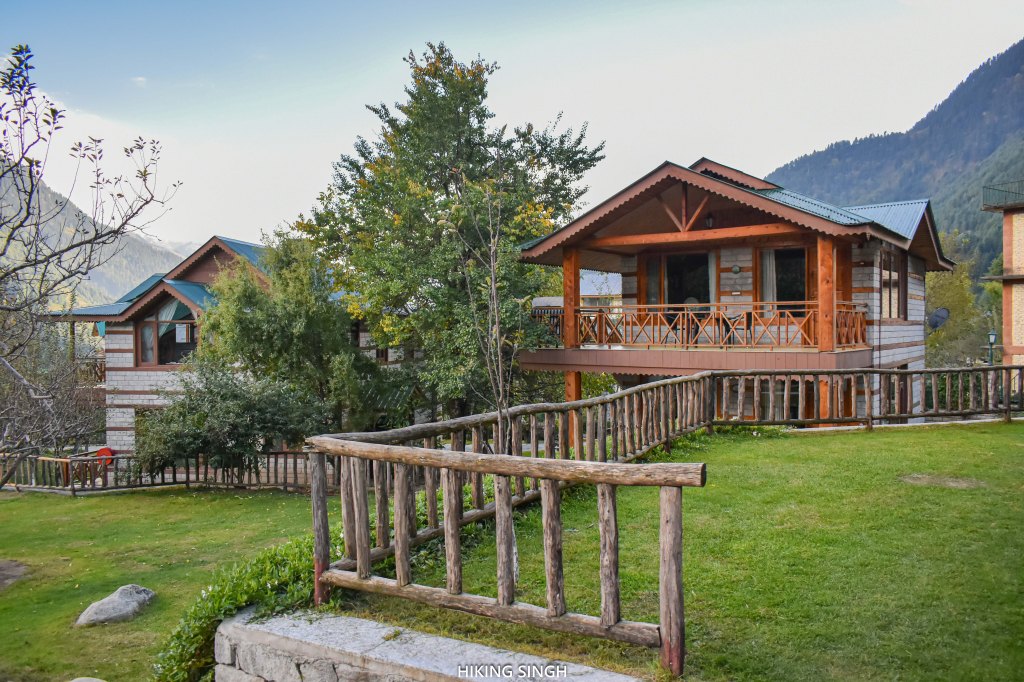
Urvashi Retreat is not only an example of architectural beauty but also of sustainable and environmentally conscious design. The retreat has implemented several practices to minimize its ecological footprint and promote sustainability.
1. Use of Local Materials:
By utilizing locally sourced wood and stone, the retreat reduces its carbon footprint and supports local artisans and suppliers. The use of traditional construction techniques also ensures that the buildings are well-suited to the local climate and environmental conditions.
2. Energy Efficiency:
The retreat incorporates energy-efficient systems to reduce its impact on the environment. Solar panels are installed to harness renewable energy, and energy-efficient lighting and heating systems are used throughout the property.
3. Water Conservation:
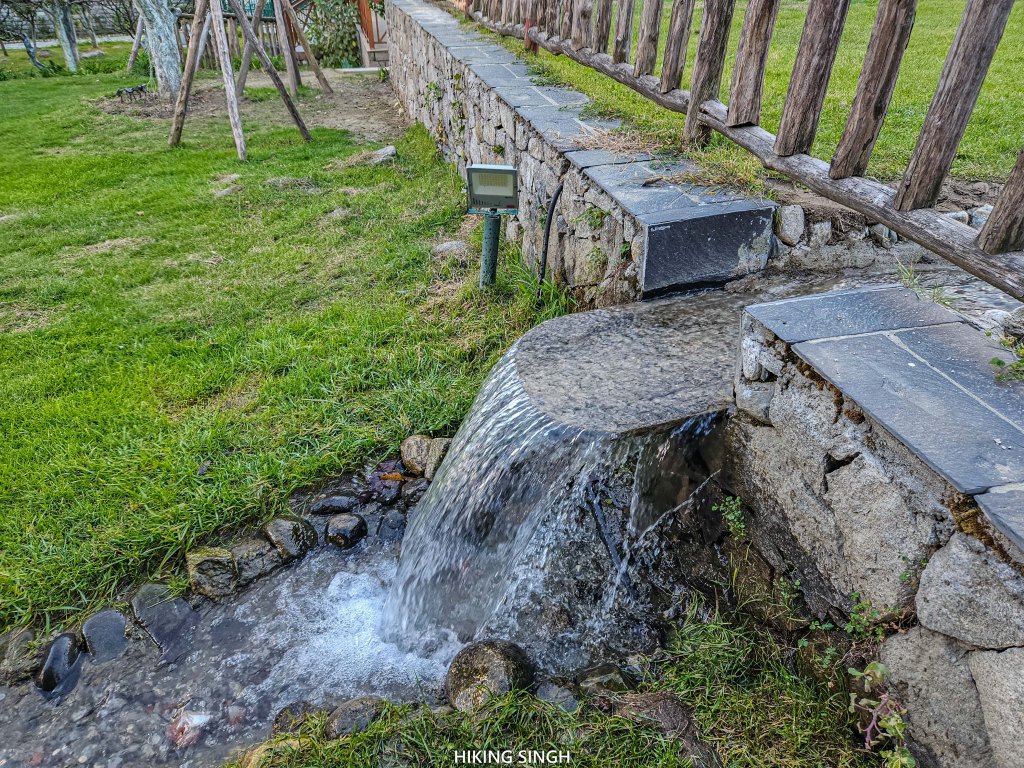
Water conservation is a key focus at Urvashi Retreat. Rainwater harvesting systems are in place to collect and store rainwater, which is then used for various purposes within the property. Additionally, the retreat employs water-efficient fixtures and promotes responsible water usage among guests and staff.
4. Waste Management:
A comprehensive waste management system ensures that waste is minimized and managed responsibly. Organic waste is composted.
CONNECTING WITH NATURE
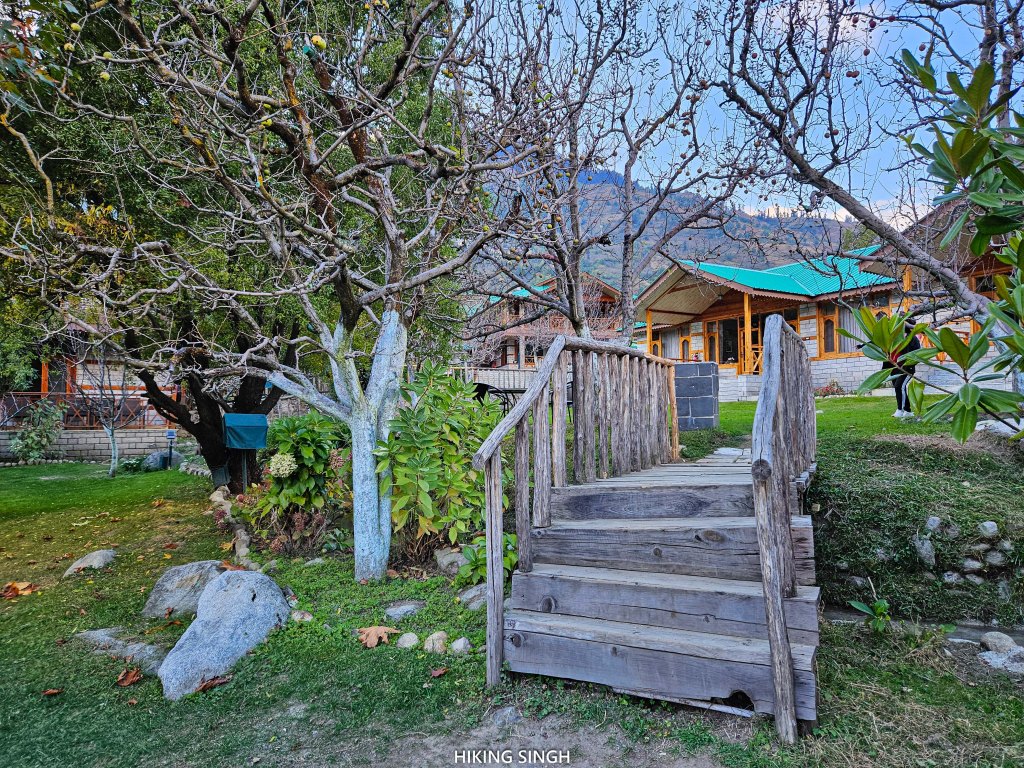
The architecture of Urvashi Retreat is designed to foster a deep connection with nature. The retreat’s layout and landscaping enhance the natural beauty of the surroundings, creating a serene and immersive experience for guests.
1. Open Spaces and Gardens:
The retreat features beautifully landscaped gardens and open spaces where guests can relax and soak in the natural beauty. Native plants and flowers are used extensively, attracting local wildlife and creating a vibrant ecosystem.
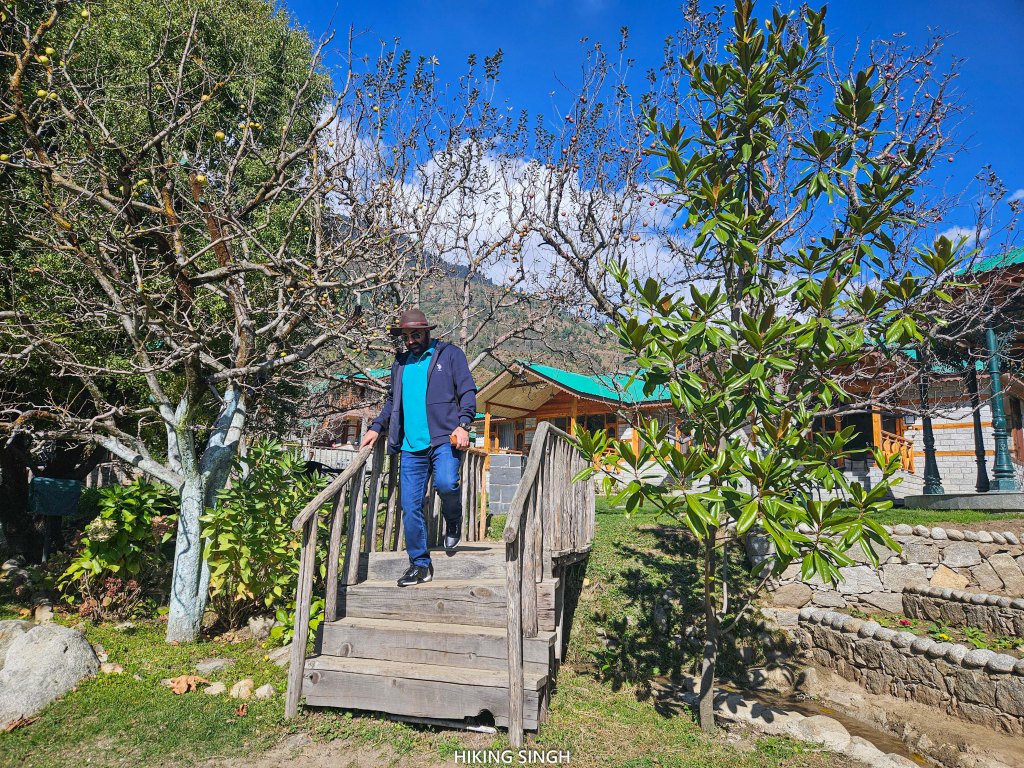
2. Nature Trails and Outdoor Spaces:
Several nature trails wind through the property, allowing guests to explore the surrounding forests and hills. Outdoor seating areas, gazebos, and decks provide perfect spots for meditation, yoga, or simply enjoying the stunning views.
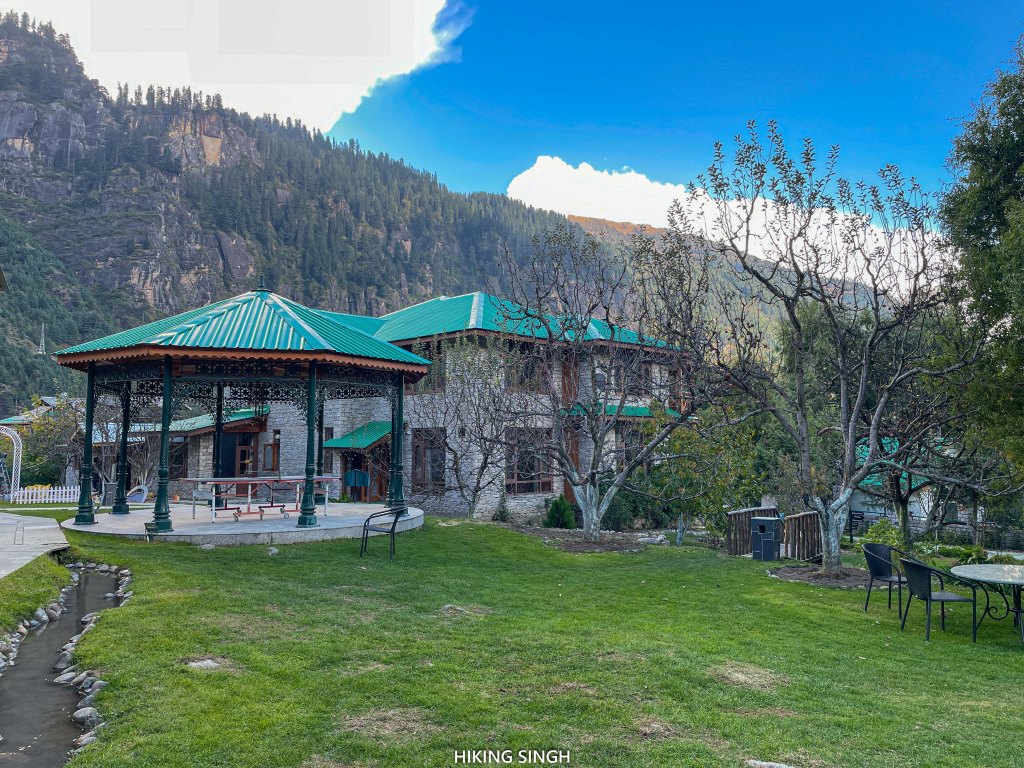
3. Eco-Friendly Amenities:
The retreat offers a range of eco-friendly amenities and activities that encourage guests to engage with nature. From organic gardens where guests can pick fresh produce to outdoor yoga sessions with panoramic mountain views, every aspect of the retreat is designed to celebrate and protect the natural environment.
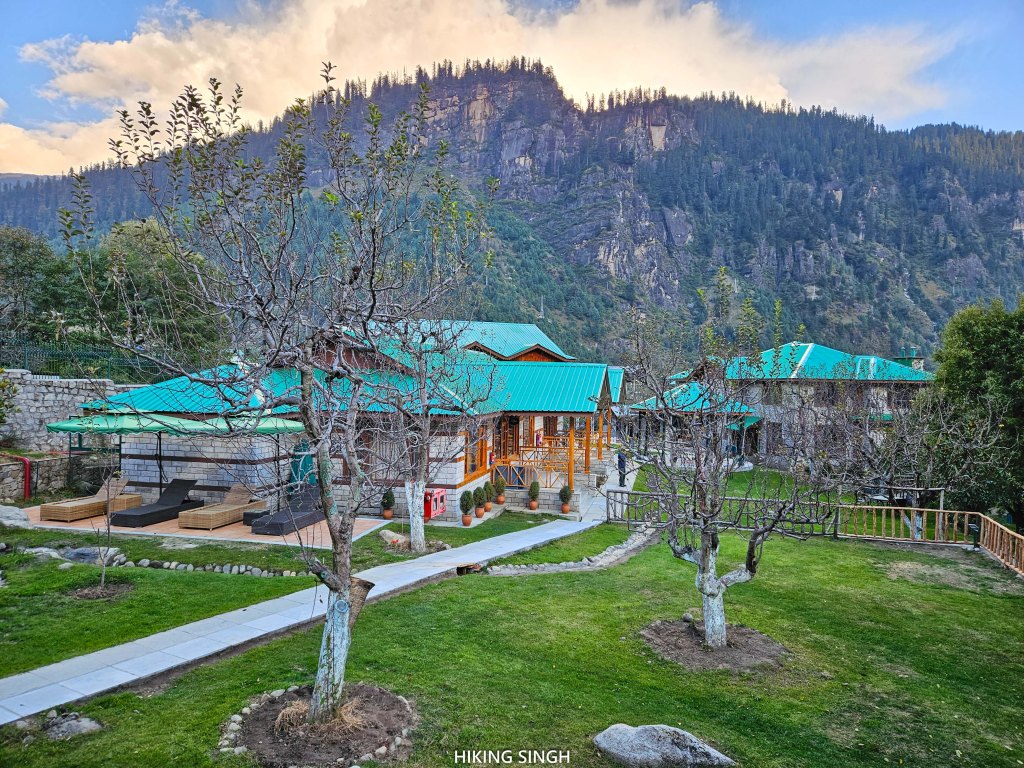
I spent the day wandering through the retreat’s extensive grounds, which were a blend of manicured gardens and wild, untouched nature. The retreat offered several nature trails, and I chose one that led to a secluded waterfall. The walk was invigorating, with the sound of rustling leaves and the occasional sighting of local wildlife. When I reached the waterfall, I was captivated by its beauty. The water cascaded down in a symphony of sounds, creating a perfect spot for quiet reflection.
Reflection and Farewell – Carrying the Calm
As my stay at Urvashi Retreat came to an end, I took a moment to reflect on the days spent. The retreat had offered me more than just a place to rest; it had provided an opportunity to reconnect with nature, immerse myself in local culture, and find inner peace. The beauty of the Himalayas, the warmth of the people, and the serenity of the retreat had left an indelible mark on my soul.
As I packed my bags and prepared to embark on another journey the staff bid me farewell with the same warmth they had welcomed me. Driving away from the retreat, I carried with me a piece of its serene magic, knowing that I would return someday to relive the enchanting experience.
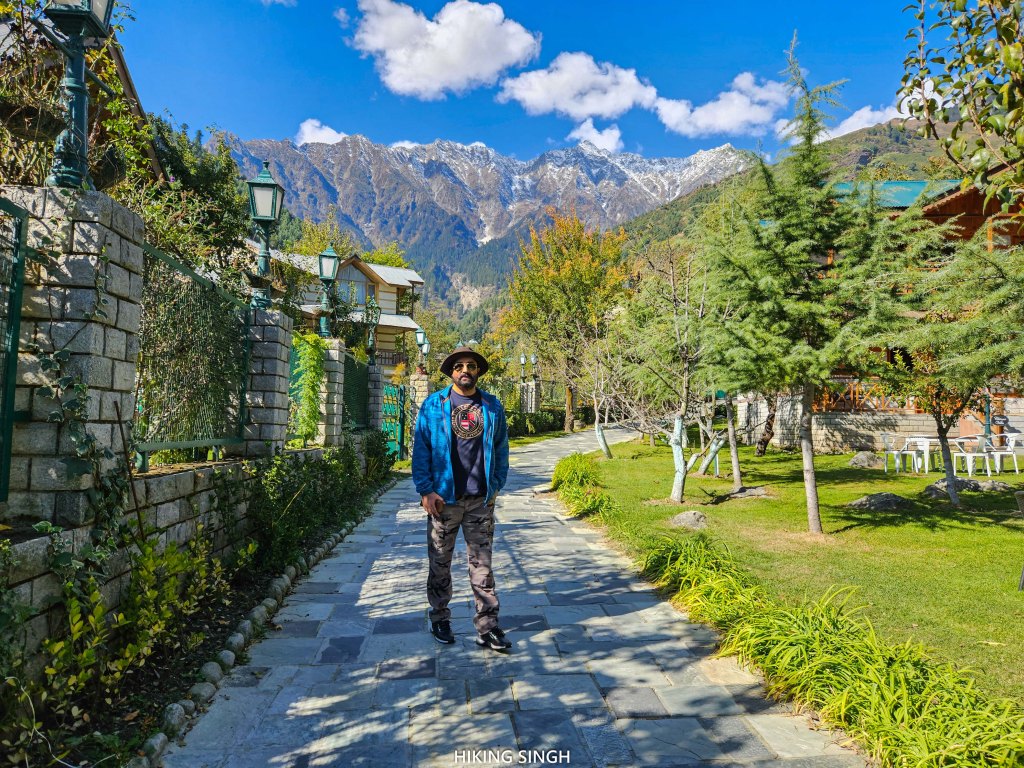
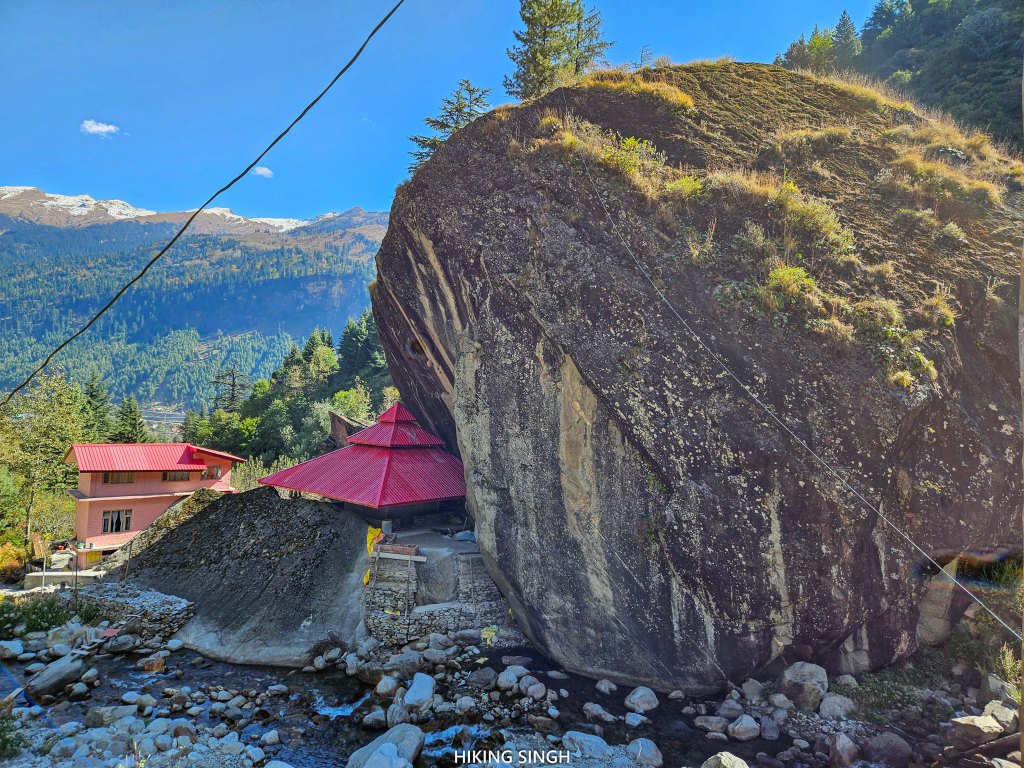
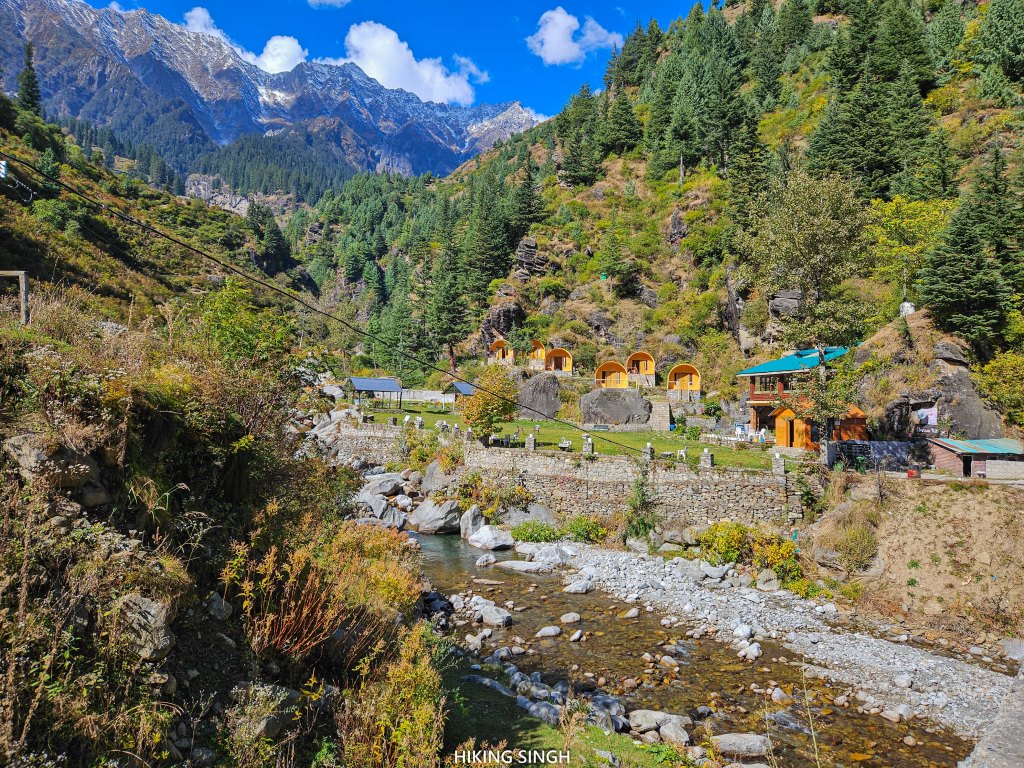
Thereafter, I went towards Majach village for a more scenic view situated on the mountains and ahilya stream flowing right next to the cottages. Enroute I saw a huge rock and a temple after crossing the bridge. Also on the opposite side there was a beautifully property by the name Dream Village Cottages. I clicked some pictures there, the route goes to a beautiful unexplored Majach village, due to time constraint I came back and thereafter moved towards my next destination Rohtang Pass.
Majach village is a traditional Himalayan village that offers visitors a glimpse into the local way of life. One can take a village walk and interact with the friendly locals, who are known for their warm hospitality.
Stay tuned for the next blog on Rohtang Pass, Koksar and Sissu !
 Travel | Wander | Explore